An aside is a narrative technique. A character in a film momentarily breaks the “fourth wall.” They turn from the other characters in the scene. They then speak a brief comment directly to the audience. In the world of the story, the other characters are presumed not to hear this comment. It is a powerful theatrical device that filmmakers have adapted for cinema.
Theatrical Origins
The aside is not a new concept. It has deep roots in live theater. Playwrights like William Shakespeare used asides frequently. A character would step forward on stage. They would then share a secret thought, a witty remark, or a plot detail directly with the audience. This action created a special, conspiratorial bond between that character and the people watching. Filmmakers later adopted this convention. They used it to create a similar, intimate effect on screen.
The Purpose of an Aside
An aside gives the audience privileged information. It reveals a character’s true internal thoughts. It can also expose their hidden motivations or judgments.
| To Provide Exposition | A character can use an aside to quickly explain a situation. They might say, “He has no idea I know his secret.” This instantly clarifies the plot. |
| To Create Comedy | The aside is a very common tool in comedy. A character can offer a sarcastic, self-aware, or ironic comment. This breaks the reality of the scene for a quick laugh. The Deadpool films use this technique to an extreme. |
| To Build Intimacy | An aside builds a unique relationship with the viewer. The character is trusting only the audience with their thoughts. This makes the audience feel like a participant or a confidant. |
Aside vs. Voice-Over
People sometimes confuse an aside with a voice-over. The two are different narrative tools.
- A voice-over is typically non-diegetic. This means it is a narrator’s voice laid over the scene. The characters inside the scene are not aware of it.
- An aside is a special kind of diegetic sound. The character inside the scene is the one speaking. They are actively choosing to pause their reality. They acknowledge the audience’s presence. This makes it a much more direct and personal form of communication.
Iconic Examples
The aside is a defining feature of many famous films and television shows.
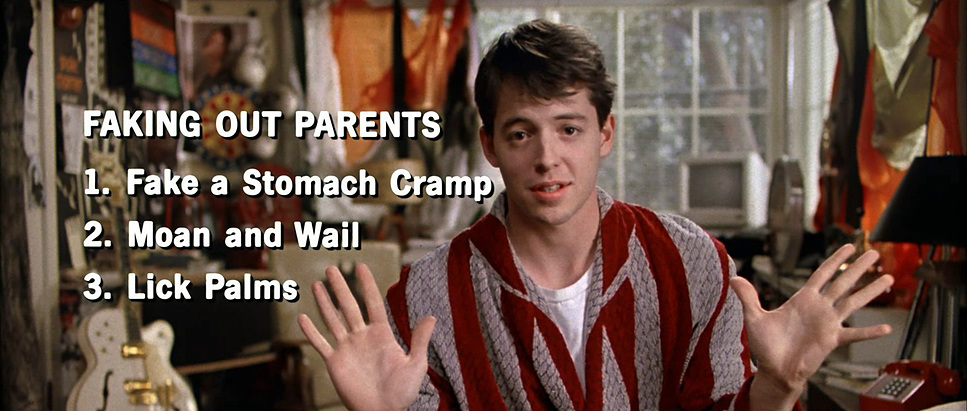
| Ferris Bueller’s Day Off (1986) | Ferris regularly pauses the film. He talks to the audience about his life, his philosophy, and his techniques. |
| House of Cards (2013-2018) | Frank Underwood frequently uses dark, manipulative asides. He shares his cynical plans with the viewer. This makes the audience his co-conspirator. |
| Fleabag (2016-2019) | The main character uses witty, often heartbreaking, asides to the camera. These asides act as her emotional shield. The technique itself even becomes a crucial plot point. |
In summary, the aside is a bold stylistic choice. It shatters the screen’s “invisible wall.” Filmmakers use it to reveal subtext, create humor, and build a unique bond with the viewer.
« Back to Glossary Index
By Filmmakers Academy