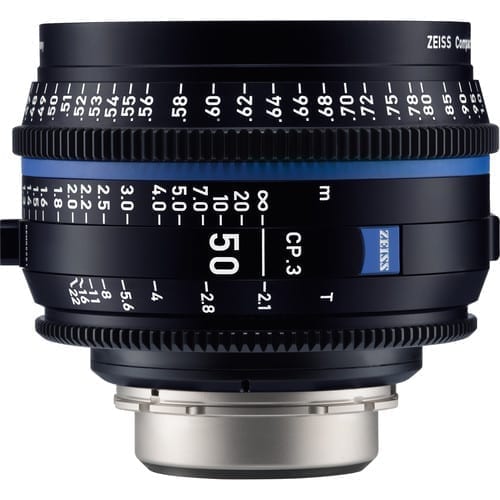
When I started to prep Act of Valor in April of 2009, we were using Canon glass on the first two days of shooting. The hot girls on deck and the interrogation scene were fine on 50, 85, 135mm primes. They held up well but the wide lenses would not resolve well.
You had a 14mm that you could not use Neutral Density on so that lens was out. The next one was a 20mm EF, not L series. This lens was way too soft. Then, onto the 24mm which was an L series but did not resolve the way I wanted.
I needed wide lenses to be able to do the SEAL POV on the helmet cam. We were shooting 2:35 aspect ratio, so a 20mm was barely wide enough to grab hands in the foreground as well as over the gun sites and down the barrel.
ZF Zeiss Primes
I was surfing Redrock Micro for a handheld set-up and noticed these ZF Zeiss primes. I immediately wanted to test these lenses to see if they would be better for our film. The directors Scott Waugh and Mike McCoy wanted it to feel real without the Hollywood touch.
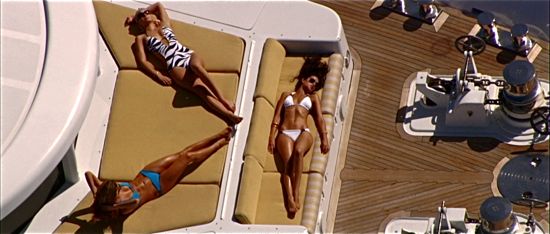
Act of Valor

Act of Valor
I had met Richard Schleuning, Zeiss’s lead marketing representative, at Cinegear and asked him if he could loan me two sets for “AOV.” He was very accommodating and gracious with the lenses. I had two sets in Stennis, Mississippi.
They arrived and we immediately fitted them with Fotodiox adapters, p-touched the side of them with footage marks for our focus pullers, and fitted them with zip gears. They were now ready for combat. I remember one of my favorite shots that I ever did on the film was to follow our lead Navy SEAL down a hallway that was soon to erupt with gunfire.
25mm Zeiss ZF
The 25mm Zeiss ZF looked so good; it was engaging, intimate, and stunning. It captured all the natural light that was coming through the windows as well as the subtle morning sunlight I had blowing through the window at the end of the hallway.
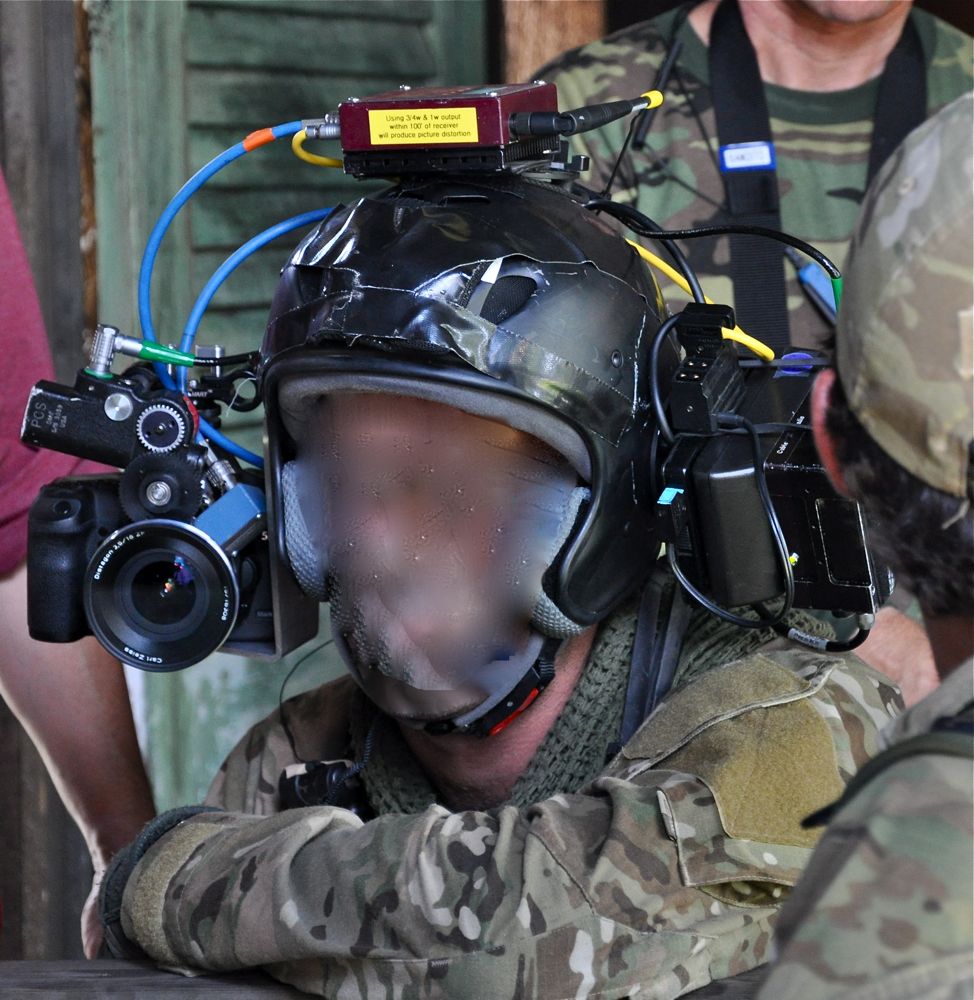
Lead Navy SEAL takes the Helmet cam on its maiden journey in Stennis
18mm Zeiss ZF
We then put the 18mm Zeiss ZF to use with all the helmet cam footage. This was the perfect SEAL POV. It captured everything in the frame that the directors were hoping for. We set the helmet cam up with all the bells and whistles.
When that rig moved into rooms, it was something that I had never seen before. It was intimate, visceral, and smooth.
I wanted this film to have a GAMER feel to it. That first-person shooter perspective has been so powerful in all the video games like Call of Duty. This felt like that but with real Navy SEALs on the gun.
Zeiss helped me take this movie up four notches with this unique perspective. The 18mm did not bend too much and delivered sharp, realistic footage. We used this lens for all of our gun fights. When the SEALS would shoot people at night, you would see the laser coming from the barrel with shells flying out of the chamber. The gunsight and the bad guy that the SEAL was shooting in the heart.
5D Shallow Focus
It was now done with cinematic quality. Not helmet cams where everything is in focus. This 5D helmet cam had a beautiful focus fall-off. We could rack from the gunsight to the bad guy, or to the shells flying out to the bad guy. The possibilities were endless with the 5D’s shallow focus and the Zeiss ZF primes. My package included 18, 25, 35, 50, 85 and 100mm macro. This worked so well.
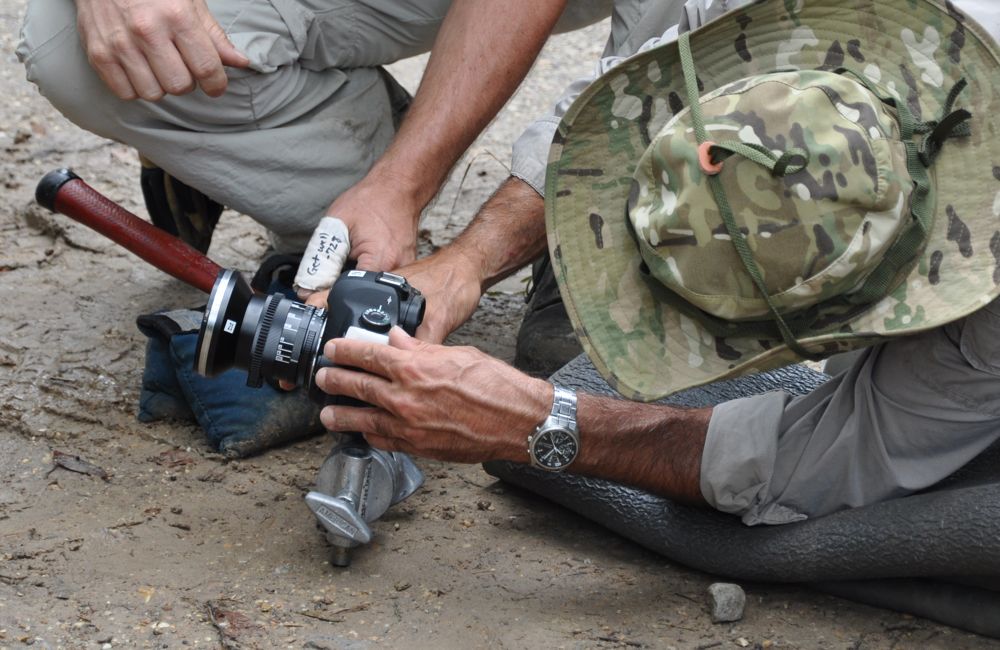
Rudy Harbon lines up the Zeiss Stake Cam for a truck drive over shot
We used the 21mm ZF which is one of the best lenses in Zeiss’s arsenal. IT was for a stake cam so that the truck could drive right over it. We rolled out with Panavision Primos and Zeiss ZFs for the entire movie.


New Zeiss ZE and ZF Distagon T 1.4, 35mm
Distagon T 1.4, 35mm
The newest addition to the ZF and ZE Zeiss prime set will be a Distagon T 1.4, 35mm. This will add a wide lens to their Planar T 1.4 50 and 85mm lenses which is a huge development. You will now be able to lens wide natural light settings at night that were not possible before at a 2.0.
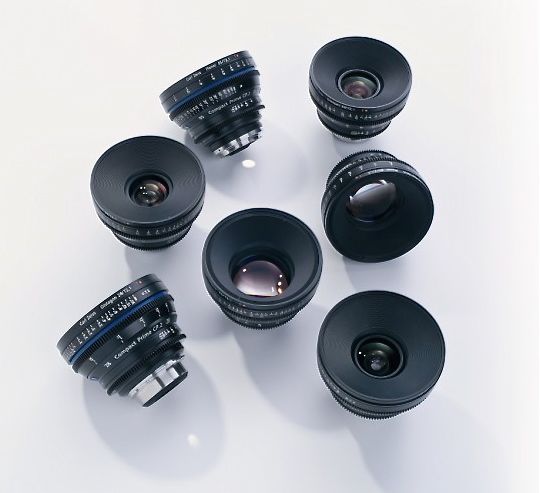
Set of Zeiss CP 2s

CP 2 35mm on the Canon 5D
Zeiss CP2s with Canon Mount
When Zeiss came out with the new CP2s with the Canon mount, I was into the idea. We now had an incredibly lightweight lens to go on the 5D in a cinema wrapper.
A cinema wrapper is a housing that surrounds the glass which turns it from a still lens to a cinema lens. It moves all the focus marks from the top of the lens to both sides so that your focus puller can see his or her distances and it also has 32 pitch focus and iris gears. This is huge.
We have all done the zip gears but the CP2s are permanently attached to the lens which is what we have been using on features for years. Additionally, there was a Canon mount, so no more adapters, no more zip gears. Yeah, BABY!!!
The CP2s are the same glass as the Zeiss ZF and ZE still primes. They are adding more focal lengths as well as two zooms to their inventory soon
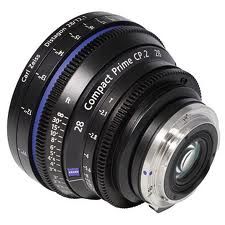
Zeiss CP2 28mm with a Canon mount
Why is it important to have cinema primes?
We are turning the Canon 5D from a still camera into a movie-making machine. This shift requires many more demands placed on the camera. A central one being the focus. A focus puller becomes the most important crew member with this platform.
With the footage markings on both sides of the lens barrel, it is essential for that individual to get focus bearings without trying to look on the top of the lens. The other is the gears on the iris. I do so many iris pulls with this Canon 5D format. You have to constantly balance inside with outside and if you do not have a large lighting budget, the iris pull is your only ammo.
I mount two Bartech motors to the camera. One for focus and the other on the iris. This gives me the ability to hold both the interior and exterior.
Schedule 1-on-1 Video Call with Shane Hurlbut, ASC
Looking for mentorship in the film industry? Schedule a 1-on-1 meeting with Shane Hurlbut, ASC today! This is where you can get expert advice from an industry professional on your career or a particular project.
About Filmmakers Academy Cinematographer Mentor Shane Hurlbut, ASC
Director of photography Shane Hurlbut, ASC works at the forefront of cinema. He’s a storyteller, innovator, and discerning collaborator, who brings more than three decades of experience to his art. He is a member of the American Society of Cinematographers, the International Cinematographers Guild/Local 600, and The Academy of Motion Picture Arts and Sciences.
Hurlbut frequently joins forces with great directors: McG’s Netflix Rim of the World and The Babysitter, plus Warner Bros. We Are Marshall and Terminator: Salvation; Scott Waugh’s Need for Speed and Act of Valor; and Gabriele Muccino’s There Is No Place Like Home and Fathers and Daughters. His additional film credits include Semi-Pro; The Greatest Game Ever Played; Into the Blue; Mr 3000; Drumline; 11:14, which earned Hurlbut a DVDX nomination; and The Skulls. Notably, his television credits include the first season of AMC’s Into the Badlands.
Filmmakers Academy Premium Camera Courses