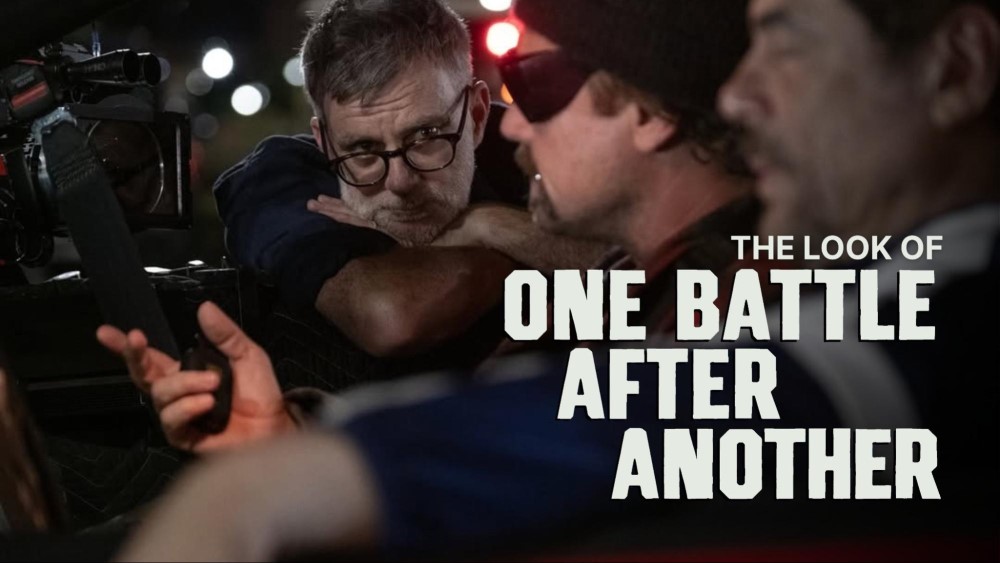
The Look of One Battle After Another
“Some search for battle, others are born into it.”
For years, adapting a Thomas Pynchon novel was considered a fool’s errand. That was until Paul Thomas Anderson masterfully captured the hazy, paranoid spirit of Inherent Vice. With his next splash into the Pynchonian universe, One Battle After Another not only proves his unique ability to translate the author’s complex prose but does so with a startling and urgent modern lens. The casting of Leonardo DiCaprio, following Joaquin Phoenix (as Doc Sportello), solidifies a fascinating trend of PTA pairing generational actors with Pynchon’s bewildered, soulful protagonists.
By streamlining Vineland‘s multifaceted plot, the film focuses on a more intimate, melancholic, and deeply resonant theme. The quiet apathy and lingering ghosts of a revolution gone wrong. This focus on the “aftermath” is classic PTA. The director excels at exploring the emotional spaces after the primary drama has unfolded. More specifically, where characters are left to grapple with the consequences.
(SPOILERS AHEAD!)
| PRO TIP: Bookmark this page so you can easily refer back to it later. |
What makes One Battle After Another arguably PTA’s most prescient work is its brilliant decision to ground the narrative in a modern context. The on-screen world, with its militarized police presence and public protests against anti-immigrant movements, feels ripped directly from today’s headlines. The film’s central conflict — the grassroots “French 75” movement versus the shadowy white supremacist cabal, the “Christmas Adventurers Club” — transforms Pynchon’s text into a powerful and uncomfortable mirror to our current political landscape.
This approach marks a significant return to the kind of explicit, politically charged filmmaking that defined the great American cinema of the 1970s. In an era where such directness is often avoided by major studios in a meaningful way, PTA is clearly making a bold statement. He’s championing the idea of activism and resistance in the face of creeping fascism. The film leverages Pynchon’s core truth: that reality is often far more absurd and terrifying than fiction.
CINEMA THAT IS MORE THAN FICTION…
A film like One Battle After Another doesn’t feel like a movie so much as a vital, anxious pulse beat for our current moment. PTA takes the soul from the source material, and like a used needle he dug up on Venice Beach, he mainlines its paranoia directly into the present, creating a world where the line between absurdist fiction and our own fractured reality has completely dissolved. In an age where decades of change feel crammed into a single year, this is cinema as a warning shot. It’s a declaration that the battle for a nation’s soul is far from over, and a powerful confirmation that… the revolution has only just begun.
This is The Look of One Battle After Another.
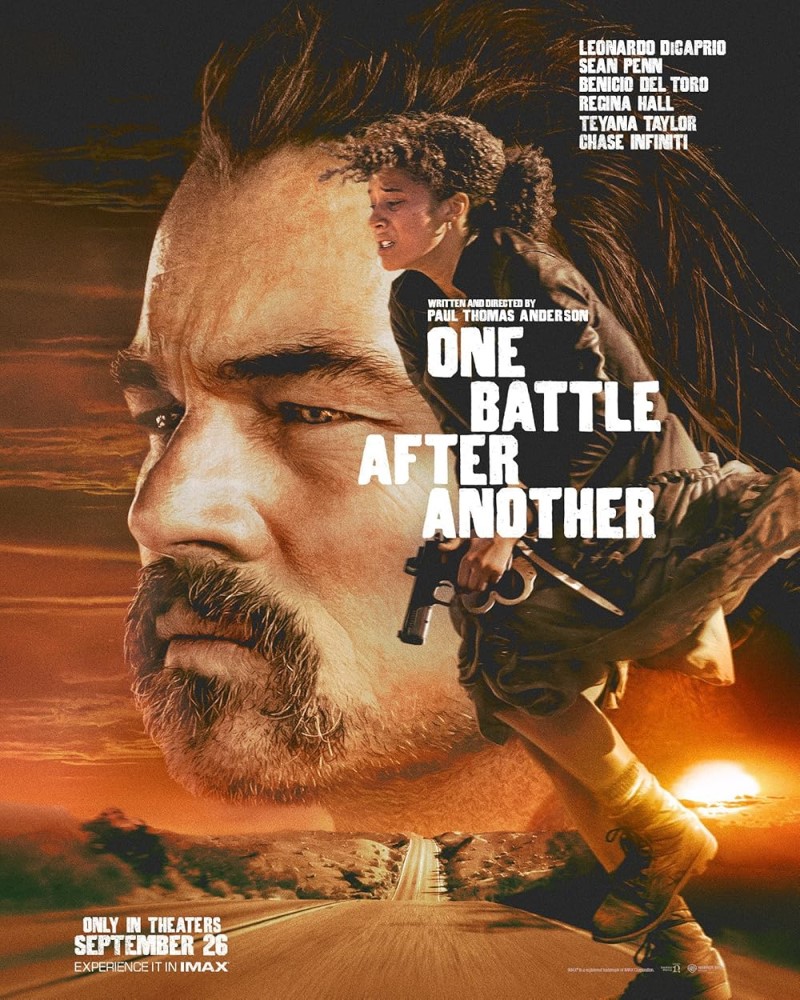
CONTENTS:
|
☭ ONE BATTLE AFTER ANOTHER TECH SPECS ☭
|
☭ THE WORLD OF
ONE BATTLE AFTER ANOTHER ☭
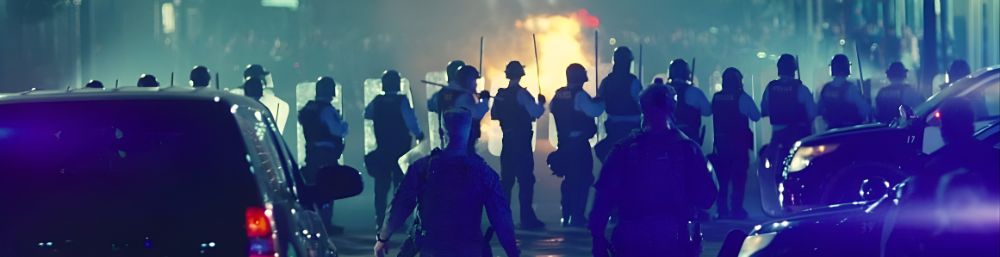
The Agents of Change vs. The Agents of the State
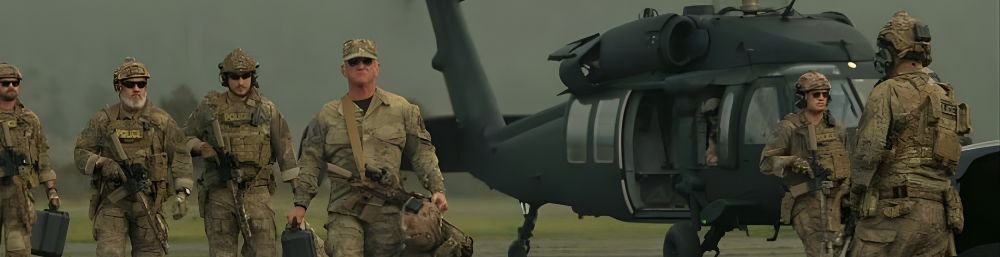
The world is a-changing, whether you like it or not. In the universe of One Battle After Another, the agents of this change begin with the youth. The film opens on the sexy and audacious Perfidia Beverly Hills (Teyana Taylor), a key member of the revolutionary group, “The French 75.” As she walks down a highway overpass at dusk, the camera leads her over a makeshift immigrant detention center. This facility is guarded by a score of U.S. soldiers led by Col. Steven J. Lockjaw (Sean Penn).
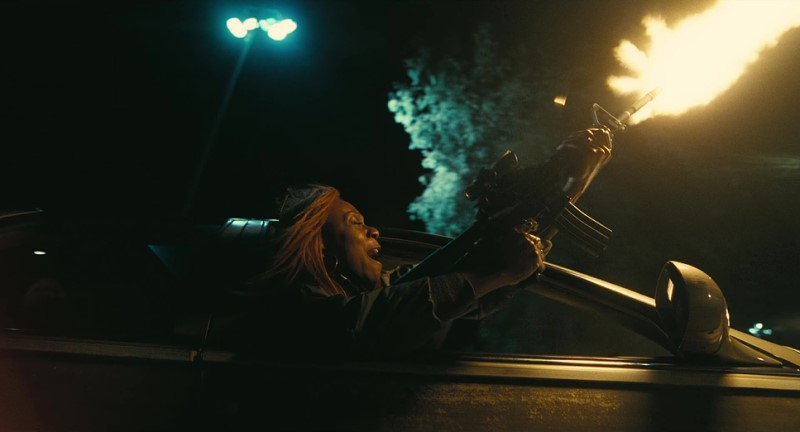
‘One Battle After Another’ Warner Bros.
Lockjaw is the very embodiment of American grit twisted into perversity. He is a lapdog to power, representing those individuals willing to do anything to be accepted by the ruling class. In other words, people like Lockjaw are unable to see anything outside the narrow confines of their own ambition. This opening image immediately establishes a clear paradigm. The stark opposition between those who strive to correct the injustices of the world, like Perfidia, and those who are willing participants in enacting that injustice, like Lockjaw.
The film then expands this paradigm even further. Beyond the immediate conflict on the street, we have the innocent victims — the immigrants being persecuted — and the ultimate victimizers, ‘The Christmas Adventurers.’ This fascist cabal, a shadowy collective of old-wealth elites, titans of industry, politicians, and select military officers, is the mastermind behind the anti-immigration rhetoric and policy sweeping over the nation.
A Revolution Born of Passion and Betrayal
Perfidia is dating a fellow French 75 member, Bob Ferguson (DiCaprio), a skilled bombmaker. It soon becomes clear, however, that his love for revolution does not exceed his love for Perfidia. On some level, his inspiration for radical action seems directly connected to his desire for her.
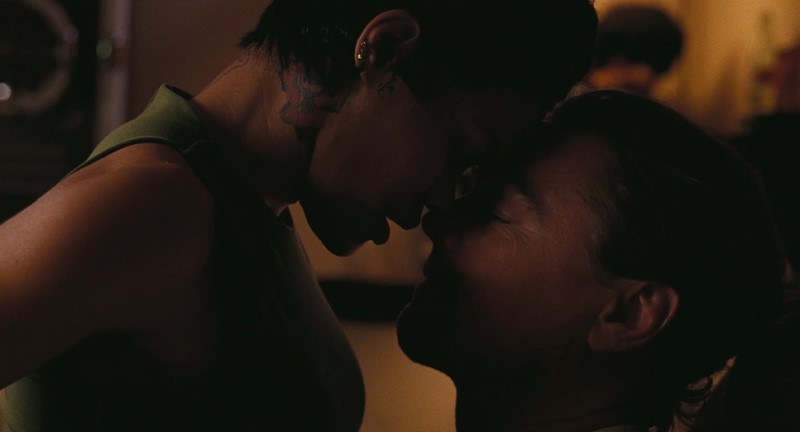
‘One Battle After Another’ Warner Bros.
This dynamic is put to the test in the film’s explosive opening sequence, where the French 75 liberates the detention center under Lockjaw’s command. During the chaos, Perfidia uses her sex appeal as a weapon. She subdues Lockjaw in a move that unexpectedly awakens in him a kink for being dominated by her, sparking an immediate and intense infatuation.

‘One Battle After Another’ Warner Bros.
This daring liberation becomes a storied exploit. It grants the group notoriety and makes them heroes of the resistance. For Lockjaw, however, it becomes a personal mission to track Perfidia down. A mission driven by both duty and desire. He eventually corners her as she is planting a bomb in an office building.
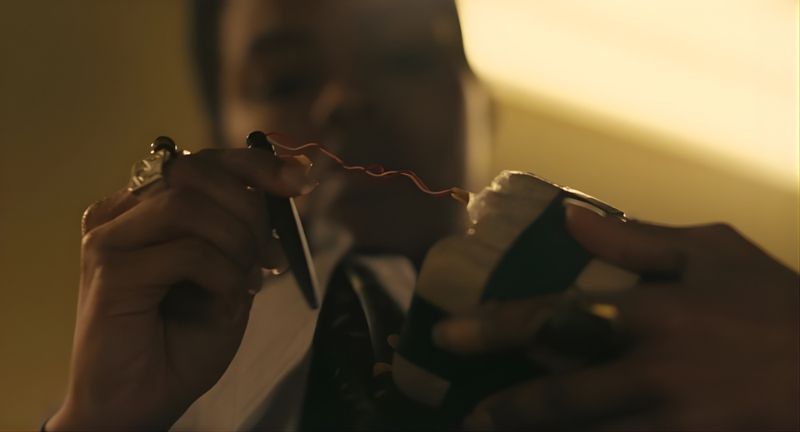
‘One Battle After Another’ Warner Bros.
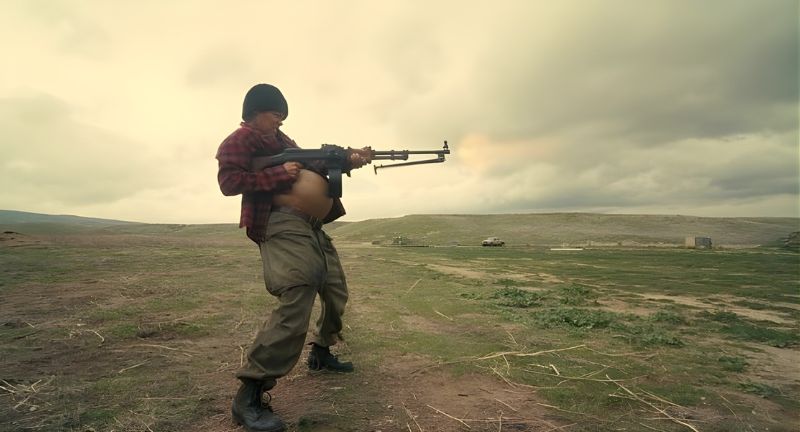
He offers her an ultimatum: meet him that night at a motel, and he will keep her secret. She complies, satisfying his kink, and nine months later, gives birth to a daughter, Willa, whom Bob believes is his own.
‘One Battle After Another’ Warner Bros.
After this moment, a shift occurs…
Perfidia, perhaps driven by guilt or a renewed sense of purpose, becomes even more resolute in her revolutionary mission, but also more reckless. In contrast, Bob retreats into domestic life. He stays home with their baby, his revolutionary spirit seemingly quelled by the satisfaction of fatherhood.
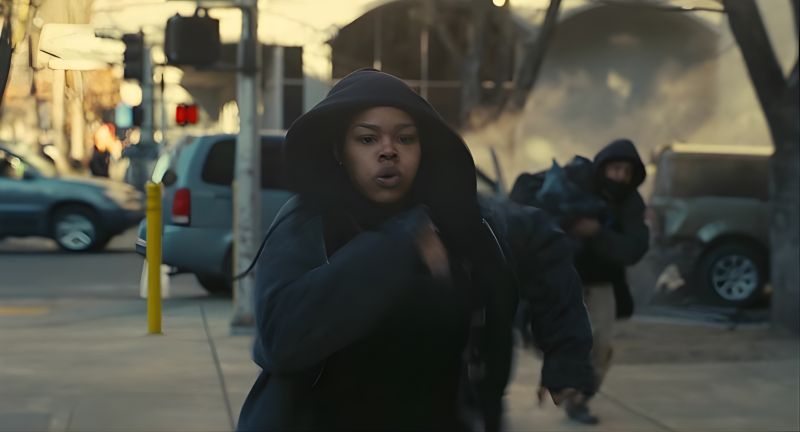
The balance is broken, and during a bank robbery, Perfidia kills a security guard. The entire group is forced to flee, leading to an intense getaway sequence. Perfidia is captured, and the surviving members of the French 75 are scattered into hiding or systematically killed. Bob is given a new identity and escapes with the baby.
‘One Battle After Another’ Warner Bros.
The Absurdity of Power and the Christmas Adventurers’ Club
One of the more absurdist, and thus Pynchon-esque, threads of the story is Lockjaw’s desperate pursuit of acceptance into the Christmas Adventurers’ Club. This racist, super-secret society is an old boys’ club that seems to be a cross between the Safari Club, Masonic Lodge, and Skull and Bones, all wrapped into one — holding a fascist grip on the levers of power. They occasionally allow certain military figures to join, but only if they meet the strict criteria: being white and having never been part of an interracial relationship, among them.
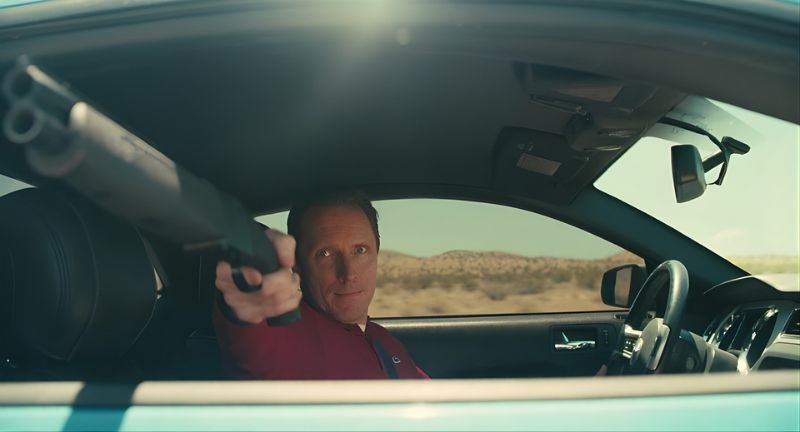
Lockjaw, haunted by his past with Perfidia, lies about his history to gain entry. To cover his tracks, he abuses his military power to search for Willa and eventually conduct a DNA test, confirming his deepest fear and hope: that she is, in fact, his daughter. This reckless pursuit is what places the aging, scattered members of the French 75 back in mortal danger and set the main action of the story in motion.
‘One Battle After Another’ Warner Bros.
In a chilling scene, the severity of the club’s ideology is laid bare. An assassin, appearing as a clean-cut, pasty Lacoste-wearing, country club-frequenting “good boy,” is guided through a labyrinth of secret hallways beneath a mansion. He enters a large masonic-like room with a small committee of wealthy men (as white as mayonnaise) who have discovered Lockjaw’s secret. They give the order to “clean up the situation,” meaning to kill not only Lockjaw for his transgression but also his potential child. This moment shows their unwavering and lethal ideology, revealing their power and stranglehold on society. This is exactly what the revolution is up against.
☭ ONE BATTLE AFTER ANOTHER PRODUCTION DESIGN ☭
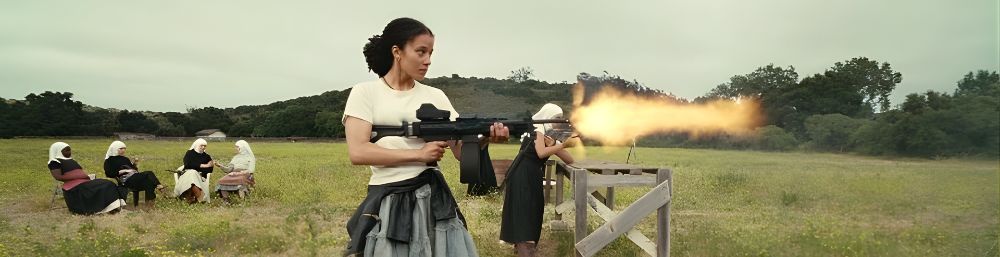
One Battle After Another achieves an epic scope that feels both fantastical and tangibly real. The story races from the redwood forests of Northern California to the sun-baked hills of the Anza-Borrego desert and the stark reality of the Tijuana border. Creating this sprawling, yet intimate, world was the monumental task of production designer Florencia Martin, who previously collaborated with Anderson on the meticulously recreated 1970s San Fernando Valley of Licorice Pizza.
For One Battle After Another, Martin had to craft a unique vision: a sort of present-day reality that exists in a world all its own. The goal was to go “beyond the matte paintings” and create an immersive space that the audience could step into. Drawing from insights with Martin, let’s delve into how the production design team built the unforgettable world of the film, piece by practical piece.

Behind the Scenes of One Battle After Another | Warner Bros.
A Tapestry of Unseen California
As previously mentioned, the film is loosely based on Thomas Pynchon’s novel Vineland, with the story’s origins in the redwood country of Humboldt County. This set the tone for the entire scouting process.
“We’d go to all these inland neighborhoods like Sacramento, Stockton, Fresno,” Martin explains. “It really is like a tapestry of California to me — a California that we don’t really know.”
 |
 |
Sacramento (L) | Stockton (R)
The production filmed across at least nine California counties and in El Paso, Texas, deliberately avoiding typical coastal sights. The Sacramento rail yards, the undulating “river of hills” near the Texas Dip in Borrego Springs, and the Otay Mesa border crossing give the film a visual identity completely distinct from other California-set movies. This adherence to exclusively finding unique, authentic locations was foundational for the film’s grounded feel.
 |
 |
Anza Borrego (L) | El Paso Texas (R)
Building the Worlds Within the World
Bob and Willa’s Redwood Hideout
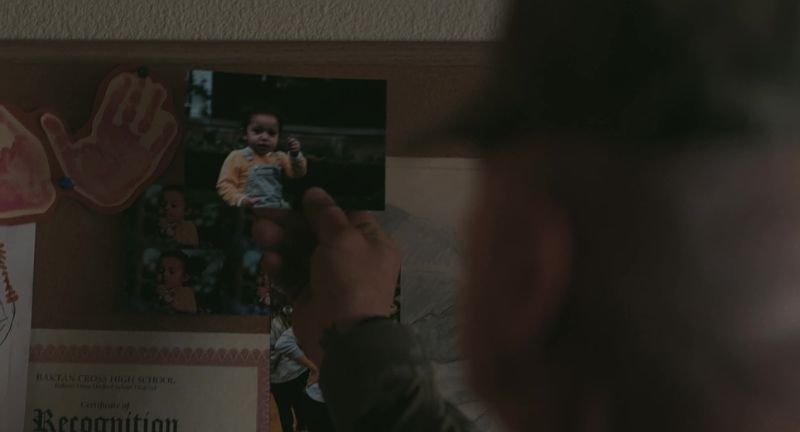
To create the secluded home where Bob has raised his daughter, Willa, for 16 years, the team found a single-bedroom house engulfed by redwoods. The design philosophy was one of accumulation.
“It’s that sense of someone who found a little sanctuary… and got really settled in,” says Martin.
‘One Battle After Another’ Warner Bros.
The space was dressed with years of history, using artwork from Anderson’s own children and baby photos from Chase Infiniti herself to create an authentic sense of a lived-in family home. In a touch of Pynchon-esque whimsy, a nearby property filled with tiny, moss-covered cars became the location for the redwood outhouse, built right amongst them as if it were another of Bob’s eccentric hobbies.
Sensei’s ‘Underground Railroad’ Apartment
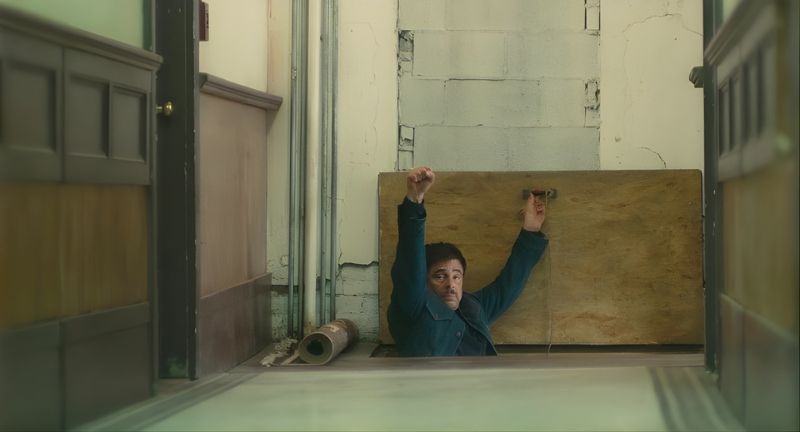
For the sprawling safe house run by Sensei Sergio St. Carlos (Benicio Del Toro), the production moved to El Paso, Texas. A location scout found the Genesis Perfumeria, a shop with an “incredible fluorescent green interior” and a staircase leading to an empty second floor. This discovery sparked the entire sequence.
‘One Battle After Another’ Warner Bros.
“That’s how his story started to grow,” Martin notes.
Her team then built Sensei’s apartment and the entire warren of interconnected living spaces for refugees practically on that empty second floor.
“That is one of my favorite sets I’ve ever been a part of,” Martin says, explaining how they gave a unique story and design to each family’s space.
The Sisters of the Brave Beaver Compound
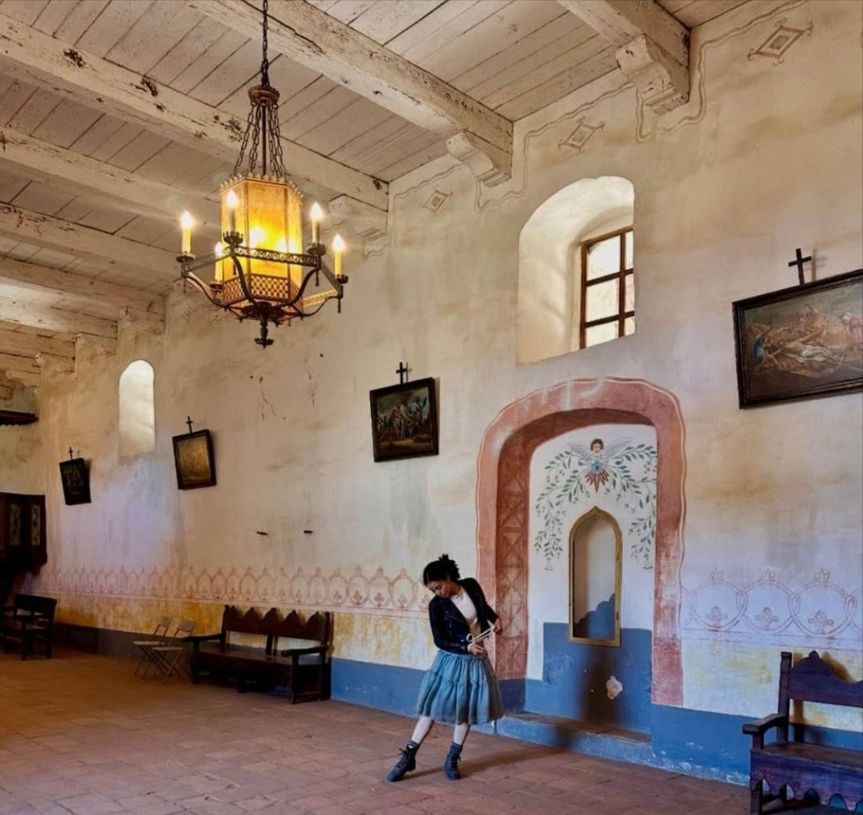
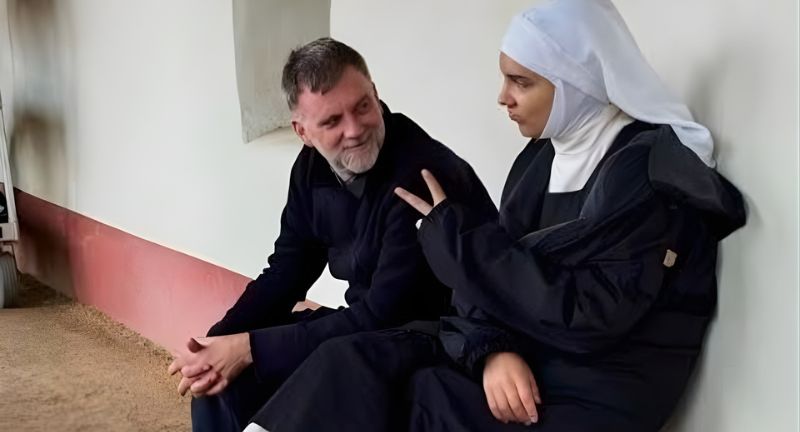
Inspired by the real-life “weed nuns” of California’s Sisters of the Valley, the film features a secluded convent. The challenge was finding a location that felt authentic and not overly restored. After visiting numerous missions, the team chose La Purisima Mission in Lompoc.
Behind the Scenes of One Battle After Another | Warner Bros.
“La Purisima was the most stripped away, the closest to being a believable space that these women would have found… and taken it over,” Martin recalls.
Paul Thomas Anderson Behind the Scenes of One Battle After Another | Warner Bros.
It provided the perfect backdrop for the perverse paternity test scene, set within the mission’s chapel.
The Border Detention Camp
To create the chilling detention camps, authenticity and respect were paramount. Martin consulted contemporary and historic photos and worked with a military advisor. The team found an incredible location that allowed them to build their temporary camp right next to the actual border wall at Otay Mesa.
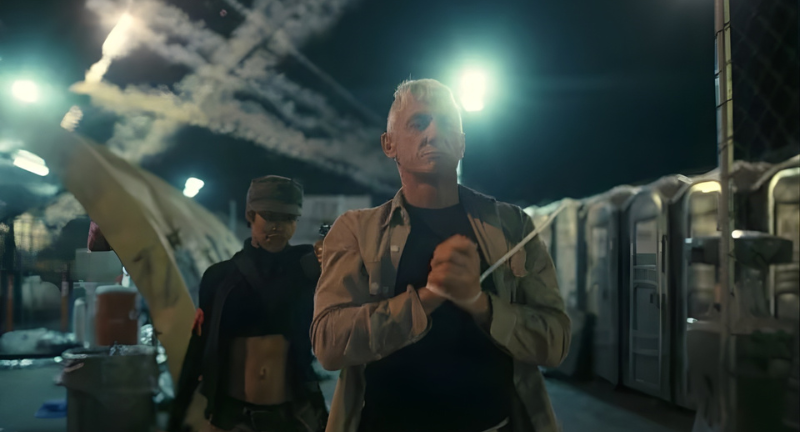
‘One Battle After Another’ Warner Bros.
The experience was profoundly impactful, as Martin notes, “We would have Border Patrol and immigrants crossing in as we were shooting.” The design was based on the stark reality of how these centers are run and laid out, avoiding a fictionalized interpretation.
Designing the Details: From Secret Societies to Sci-Fi Tech
Beyond the major locations, the design team crafted the film’s more fantastical elements with a grounded approach. The nefarious Christmas Adventurer’s Club found its headquarters in Sacramento’s historic Reagan Mansion, its fittingly formal architecture providing the perfect backdrop for the shadowy cabal.
For the revolutionaries’ tech, like their unique scanner devices, the team looked at a mix of real-world communication methods.
“It was just looking at 3G networks and ham radios and satellite… and also a little bit of fantasy too,” Martin explains, resulting in technology that feels functional and, as she puts it, “already old.”
The Power of the Practical
The immersive, tangible quality of One Battle After Another is a direct result of a core filmmaking philosophy championed by Anderson and Martin: prioritize real, built environments over digital ones.
“CGI can distance the audience, but architecture really holds you,” Martin states.
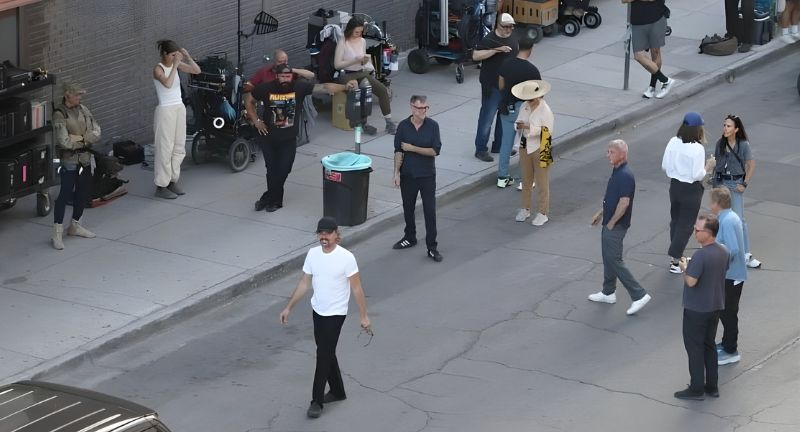
Behind the Scenes of One Battle After Another | Photography by Thomas Anderson
From the practical build of Sensei’s apartment to the real desert hills of the car chase, every location feels authentic and lived-in. This dedication to craftsmanship grounds the film’s epic story and complex characters, making its world not just a spectacle to be watched but a reality to be experienced.
☭ ONE BATTLE AFTER ANOTHER CINEMATOGRAPHY ☭
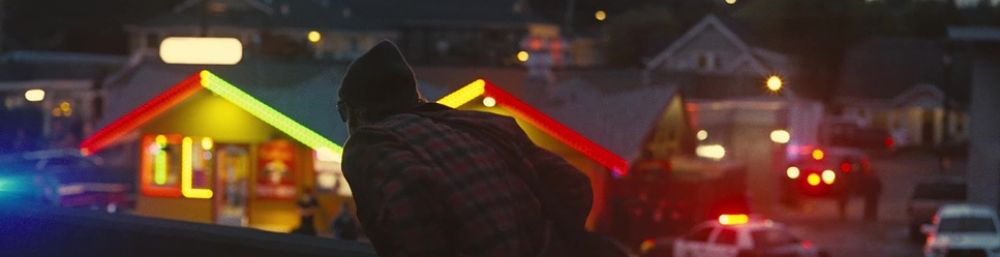
Paul Thomas Anderson’s films are defined by their unforgettable visual language, and One Battle After Another is no exception. Reuniting with his recent collaborator, cinematographer Michael Bauman, Anderson has crafted a film that feels both timeless and urgently contemporary. The movie’s look is a chaotic, sun-baked, and often surprisingly beautiful mosaic, shot on film and presented in a variety of large formats, including the resurrected VistaVision, 70mm, and IMAX. This vision for analog capture and ambitious presentation is a bold statement in the digital age, creating a tangible, textured world for this modern revolutionary tale.

Behind the Scenes of One Battle After Another | Warner Bros.
The cinematography masterfully walks a tightrope, balancing the kinetic energy of a genre film with the intimate, character-focused portraiture that is Anderson’s signature. Let’s break down the key cinematic choices that define the look of this epic.
Embracing the Analog: VistaVision and the Power of Film
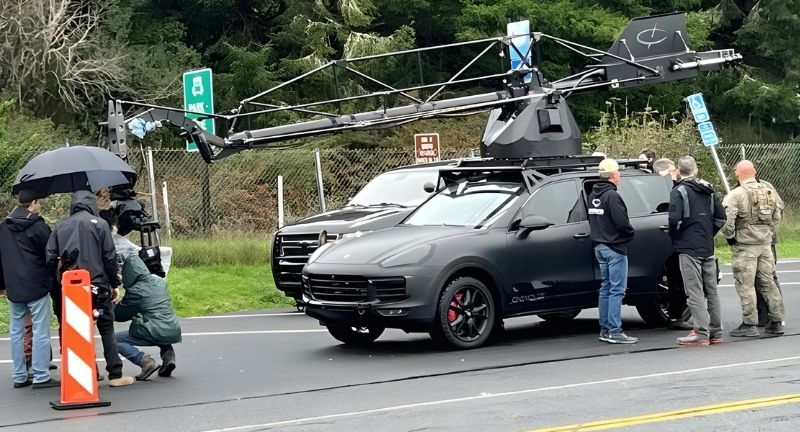
In an era of digital precision, Anderson and Bauman made the deliberate choice to shoot One Battle After Another on celluloid, primarily using the rare VistaVision format. This high-resolution format, which runs 35mm film horizontally through the camera, captures a larger, more detailed negative, resulting in a stunningly sharp yet organic image. As Leonardo DiCaprio notes, the film feels “tactile,” a direct result of shooting in “real cars, real environments and situations.”
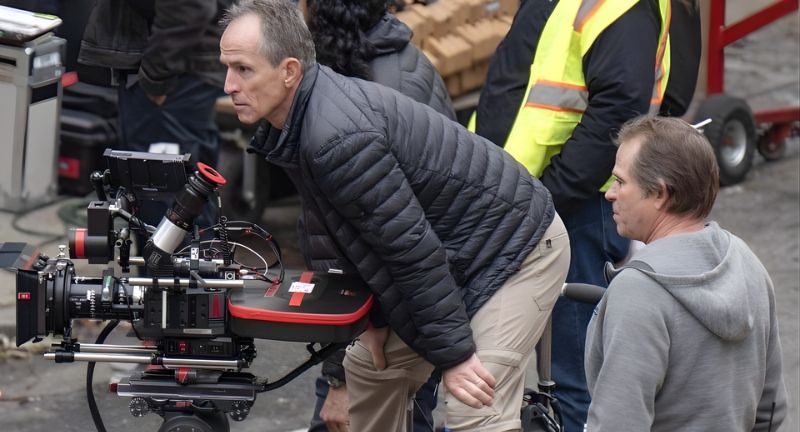
Behind the Scenes of One Battle After Another | Warner Bros.
The choice of film also creates a distinctive visual texture. The inherent grain structure of the film stock adds a layer of authenticity and nostalgia, separating the film’s aesthetic from the often sterile look of modern digital cinematography. The color reproduction on film, especially in the direct VistaVision prints, is described as breathtaking, with a range and depth that feels both vibrant and true to life. This analog approach grounds the film’s sometimes absurd or fantastical events in a believable, textured reality.
Behind the Scenes of One Battle After Another | Photo by Robert Pitts
Letting Darkness Be Dark: A Philosophy of Night Cinematography
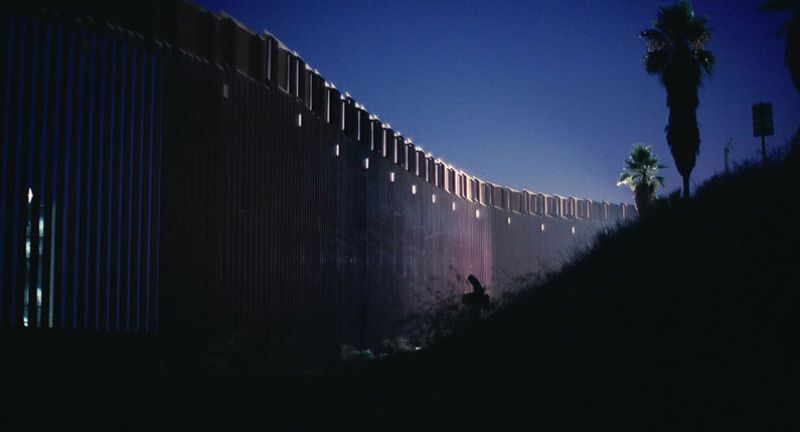
One of the most striking aspects of the film’s cinematography is its approach to night scenes. In an era where many films are criticized for being overly dark or murky, Bauman’s work here is praised for its clarity and deliberate use of darkness. The philosophy is simple but effective: let darkness be dark. Rather than trying to artificially light every corner of the frame for visibility, the team embraced deep shadows and allowed light to be motivated by practical sources.

‘One Battle After Another’ Warner Bros.
This technique has a powerful effect. Night scenes look richer and more saturated, and the contrast between the pools of light and the surrounding darkness creates a sense of depth, mystery, and suspense.
‘One Battle After Another’ Warner Bros.
As film critic Patrick Tomasso notes, “Our eyes can’t see everything at night in real life, so why should cameras?” This approach makes the darkness an active element in the composition, a space where threats can hide and characters can find temporary refuge.
Choices That Serve the Story: Embracing “Imperfection”
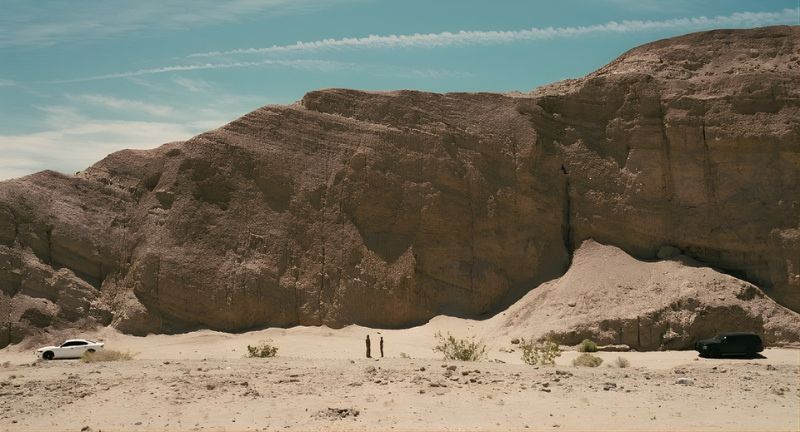
The cinematography in One Battle After Another isn’t afraid to be “imperfect.” It utilizes techniques that some might consider technically wrong, but that perfectly serve the film’s chaotic and disorienting story. Borderline overexposed daylight scenes convey the oppressive heat of the California desert, while unsettling, shaky handheld camera work plunges the audience directly into the frenetic energy of a chase or the paranoia of a character.
‘One Battle After Another’ Warner Bros.
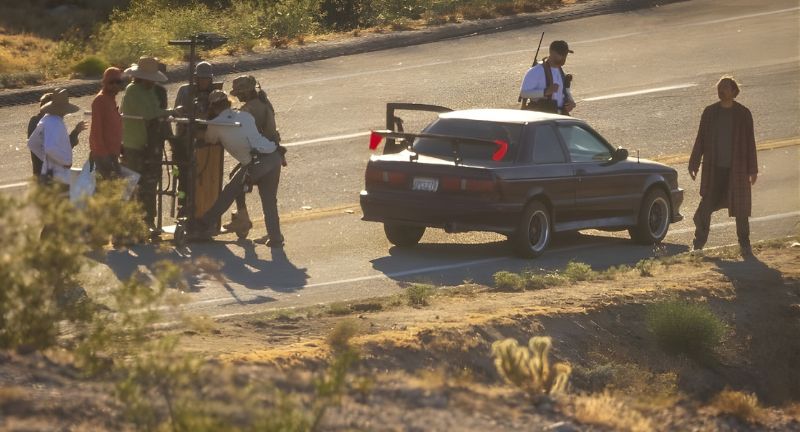
As DiCaprio describes, the action sequences are “done in a Paul Thomas Anderson fashion that is very unexpected.” Anderson and Bauman eschew slick, CGI-heavy set pieces in favor of a more bare-bones, visceral approach.
Behind the Scenes of One Battle After Another | Warner Bros.
The camera is often right in the middle of the action, capturing real cars on real roads, with a “meta-jitteriness” that feels more authentic and thrilling than a perfectly smooth drone shot. These choices are deliberate decisions to prioritize the emotional and visceral experience over sterile technical perfection.

Behind the Scenes of One Battle After Another | Merrick Morton Photography
The Human Landscape: A Focus on Faces
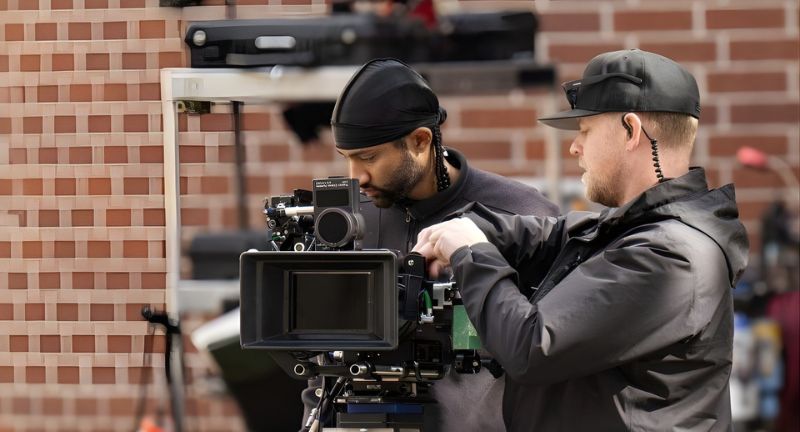
For all its epic scale and visual pyrotechnics, One Battle After Another remains a deeply human story, and the cinematography reflects this. Anderson is a master at chronicling the human face, and this film is filled with stunning portraits that capture the complex inner lives of its characters.
Behind the Scenes of One Battle After Another | Warner Bros.
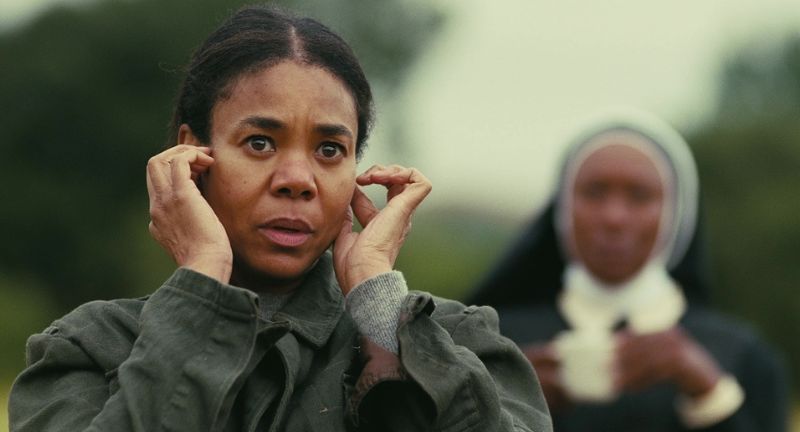
The use of large formats, such as VistaVision and IMAX 70mm, with their immense height and detail, draws the viewer incredibly close to the actors. Every nuance of a performance — a hint of doubt in Regina Hall’s eyes, a flash of fear on Chase Infiniti’s face, the weary lines on Leonardo DiCaprio’s — is captured with devastating clarity.
Regina Hall in One Battle After Another
As critic Jim Hemphill observed, this format makes the film a “meditation on faces and the histories they illustrate.” Even amidst the chaos of a shootout or a car chase, the camera consistently finds its way back to the human element, reminding the audience of the emotional stakes at the heart of the story.
The VistaVision Presentation
For the first time in over 60 years, Anderson has championed the projection of a new feature film from true VistaVision prints, reviving a dormant but legendary format. This provides a viewing experience for audiences that is as close as possible to the original camera negative.
Created by Paramount Pictures in 1954 as a response to the rise of television, VistaVision is a high-resolution widescreen format. Unlike standard 35mm film, which runs vertically through the camera, VistaVision orients the film horizontally. This creates a negative frame that is twice the size (8 perforations wide, hence “8-perf”), resulting in a finer-grained, higher-quality, and more detailed image. Alfred Hitchcock was a notable champion of the format, using it for classics like Vertigo and North by Northwest.
A 60-Year Hiatus and a Triumphant Return
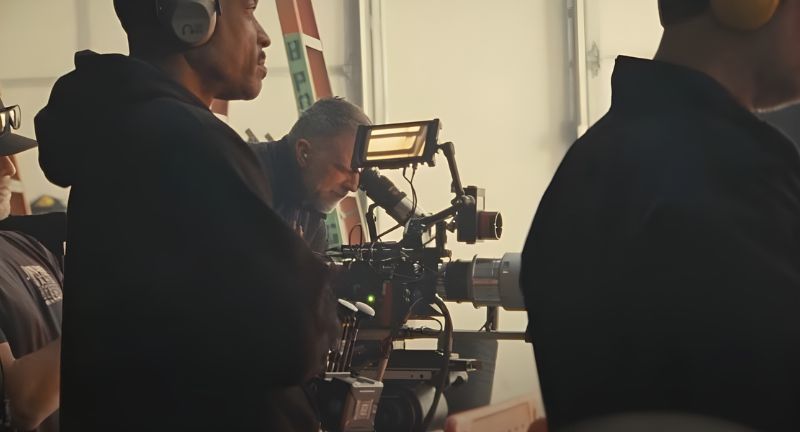
After its heyday in the 1950s, VistaVision’s use for principal photography waned, with Marlon Brando’s One-Eyed Jacks being the last major American film shot and released this way. For decades, the format was kept alive almost exclusively for special effects work on blockbusters like the original Star Wars and Jurassic Park, where its high resolution was ideal for compositing.
Behind the Scenes of One Battle After Another | Merrick Morton Photography
With One Battle After Another, Anderson has not only revived VistaVision for capture but has also worked with Warner Bros. to retrofit four select theaters worldwide — in Los Angeles, New York, Boston, and London — with the rare, specialized projectors required to screen true VistaVision prints. This is a significant undertaking, as these projectors must also run the film horizontally and are exceedingly rare. This allows audiences in those locations to see a print struck directly from the original cut negative, offering a viewing experience of unparalleled color and clarity.
The VistaVision Difference
According to those who have seen the VistaVision presentation, there is a subtle but undeniable difference. The color reproduction is described as stunning, with a range and depth far greater than other formats. Cool colors appear colder, warm ones feel red-hot, and the subtle gradations across the spectrum are filled with rich detail. Anderson himself has noted that this presentation is the closest to the film’s intended look, offering a direct, unfiltered connection to the work of the cinematographer and the director. While other large formats like IMAX 70mm and standard 70mm offer their own immersive and beautiful experiences, the VistaVision print is unique in its direct photochemical lineage from the camera to the screen.
Become a member of Filmmakers Academy to master the art of cinematography!
☭ ONE BATTLE AFTER ANOTHER
COSTUME DESIGN ☭
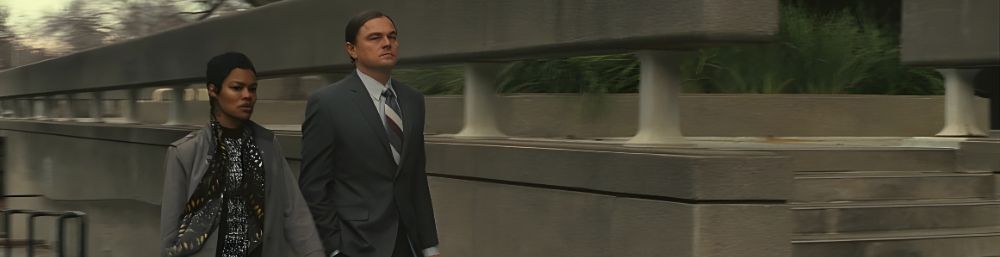
While epic car chases and sprawling landscapes grab the eye, the film’s character-driven story is powerfully yet subtly reinforced by the masterful work of Oscar-winning costume designer Colleen Atwood. Tasked with dressing a diverse cast of revolutionaries, white supremacists, high schoolers, and a freedom-fighting Sensei, Atwood perfected the art of what she calls “unconscious-conscious dressing”—creating looks that feel deeply authentic to the characters’ lives and circumstances, rather than costumes that scream for attention.
Dressing the Revolutionaries: The Subtlety of Living Off-Grid
Atwood’s collaboration with Anderson was organic, beginning with a serendipitous run-in. Early fittings with Leonardo DiCaprio and Chase Infiniti took place at Anderson’s own home, where he would shoot camera tests on 35mm film, allowing the team to collaboratively refine the looks.
 |
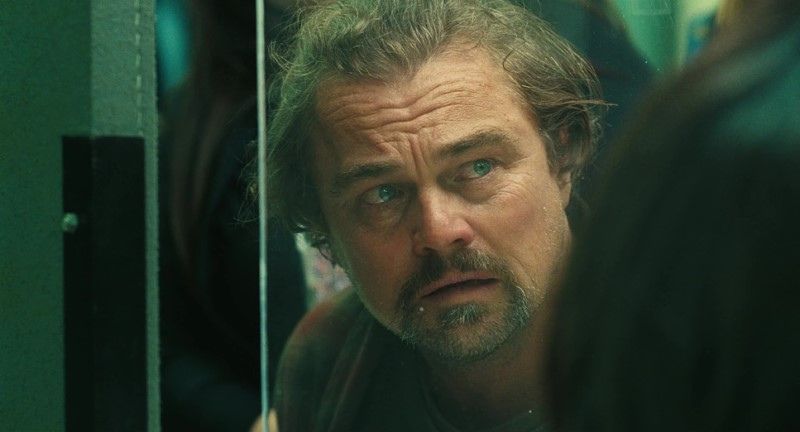 |
For the revolutionaries of the “French 75,” the key was to avoid romanticizing their image.
“It’s always a possibility in that world to over-romanticize… to want everyone to look like him,” Atwood says, referencing the iconic image of Che Guevara. “They’re living off the grid, so they don’t want you to notice what they’re wearing.”
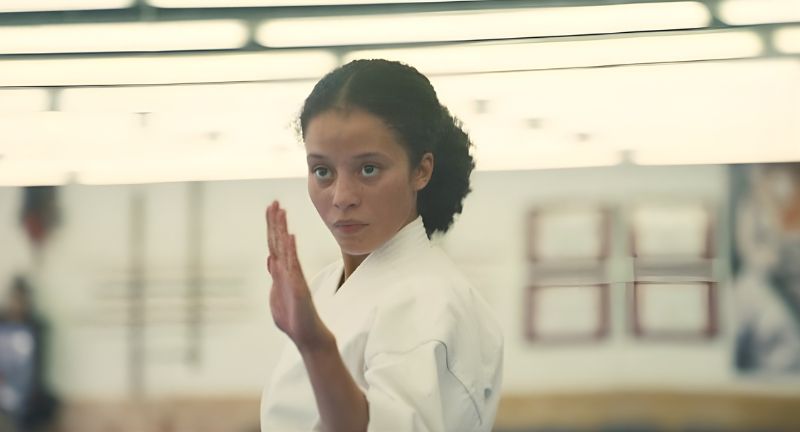
This philosophy is embodied in the uniform-like dressing of Deandra, whose simple attire reflects what Atwood calls a “Madonna-esque purity,” suggesting a character who is more concerned with her cause than with her clothes.
Bob’s Robe: An Accidental Icon
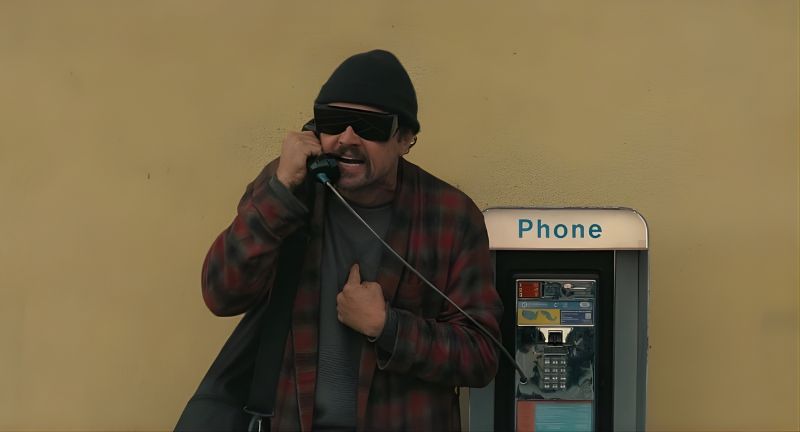
For Bob, the revolutionary-turned-stoner-dad, the initial idea was a simple sweatshirt. However, a fluid process of collaboration led to a more memorable choice.
“I don’t know if it’s Paul or Leo who said, ‘What if he’s just in his robe?'” Atwood recalls.
‘One Battle After Another’ Warner Bros.
Inspired by Jeff Bridges’ “The Dude,” Bob spends a significant portion of the film in a faded, checked bathrobe. Atwood sourced a vintage rental robe as a template, then custom-made multiples from a vintage-looking cotton-wool blend fabric, which was then heavily aged. The result is an “old, cheap dad robe” that perfectly captures Bob’s state of inertia and cozy paranoia.
Even his shoes, a pair of Altra Lone Peak trail runners, were a practical choice influenced by DiCaprio’s preference for a wide toe box, with their subtle orange soles occasionally peeking through the grime.
Willa’s Skirt: Sweetness and Action-Ready Strength
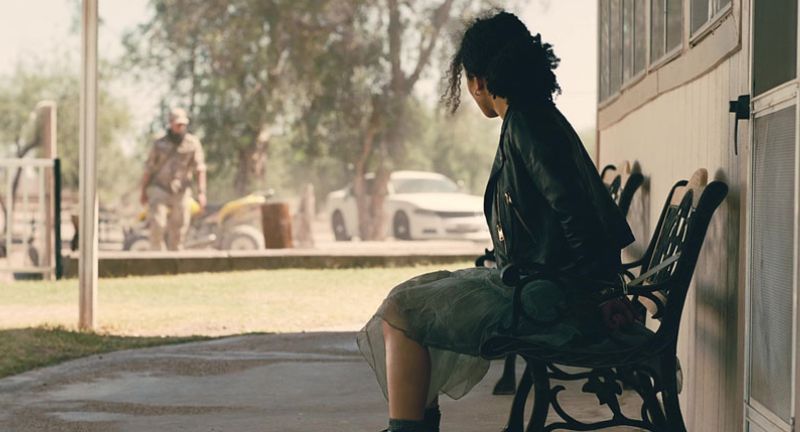
The primary costume for the teenage Willa was inspired by a student Anderson saw wearing a petticoat skirt at a real high school dance in Eureka. Atwood took this idea and adapted it for the screen. Initially considering a faded pink, she ultimately chose blue to feel more “low-key” and less vulnerable, reflecting Willa’s emotional state.
‘One Battle After Another’ Warner Bros.
The skirt was crafted from airy silk gazar, cut with enough volume to catch air during action sequences and layered to allow light to pass through during dark exteriors. This sweet skirt was then contrasted with a tough, beaten-up leather jacket, described by Atwood as Grease-esque.
“It felt right for her to have this beat-up jacket — that was her treasure,” she adds.
Dressing the Villains: From Awkward Aspirants to Real-Life Elites
For the white supremacist Christmas Adventurers’ Club, Atwood drew inspiration directly from real life.
“I went to Orvis one day in Pasadena, and I saw one of the guys there who looked just like that,” she says, recalling a golf enthusiast who inspired one of the clandestine meeting costumes. “I went and bought exactly what the guy had.”
This grounds the film’s antagonists in a recognizable, upper-class reality.
Col. Steve Lockjaw, an aspiring club member, is deliberately dressed to look out of place. His formalwear — a brand-new navy blazer, khaki pants, and tie — is what “his mother would’ve put him in for church on Easter Sunday.” The look is awkward and ill-fitting for the situations he’s in, reflecting his desperate, sad struggle for acceptance.
Sensei’s Style: A Collaborative and Authentic Look
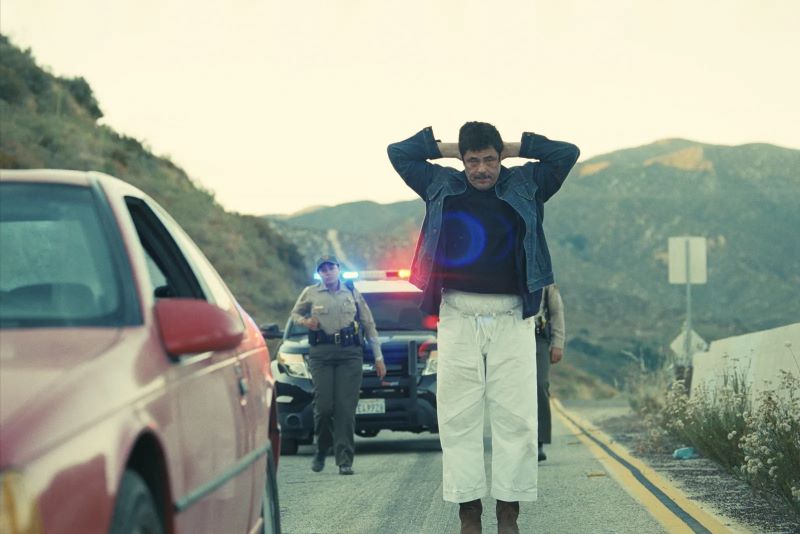
Sensei Sergio St. Carlos was a particular highlight for Atwood, with a look that evolved through direct collaboration with the actor. The initial idea of keeping him in his gi was challenged by Del Toro himself, who questioned, “Why would I be hanging out in my gi doing my paperwork?”
‘One Battle After Another’ Warner Bros.
Instead, the final look became a fusion of influences. He keeps his gi pants, but pairs them with a custom-made indigo denim jacket (inspired by a design from Jimmy McBride) and unique cowboy boots Atwood found on a scouting trip to El Paso.
This piecemeal, rooted-in-reality look, combining martial arts attire with Western and custom elements, perfectly reflects the character’s unique role as a protector and guide, and exemplifies what Atwood calls the “very fluid way” the film’s costumes came together.
☭ WATCH ONE BATTLE AFTER ANOTHER ☭
From the tangible, practical world built by Production Designer Florencia Martin to the stunning analog cinematography of Michael Bauman and the character-driven costumes of Colleen Atwood, One Battle After Another is a marvel of filmmaking at the highest level. It’s a film that demands to be seen, studied, and experienced.
Now that you’ve explored the incredible detail and artistry that went into every frame, it’s time to witness the final, breathtaking result.
To get a taste of the film’s unique, action-packed, and visually stunning world, watch the official trailer below.
One Battle After Another is still in theaters, then it will be made available to watch on major streaming services and for digital purchase.
Feeling inspired by the incredible level of artistry in Paul Thomas Anderson’s film? The techniques used to create movie masterpieces like this are at the very core of what we teach at Filmmakers Academy. Are you ready to move beyond appreciation and start mastering skills like cinematography, lighting, and directing? Get the knowledge from professionals who have worked on films of this scale with our All Access membership. It’s your next step to becoming a well-rounded filmmaker.
JOIN OUR ALL ACCESS MEMBERSHIP TO LEARN FROM INDUSTRY PROFESSIONALS!
WORKS CITED:
|