Aspect ratio describes the proportional relationship between an image’s width and its height. It is a ratio, not a specific physical size. It does not measure inches or centimeters. Instead, it defines the shape of the film frame. This ratio is one of the first and most fundamental creative choices a filmmaker makes. It dictates the “canvas” for every single shot in the movie.
We write an aspect ratio as a formula: Width:Height. A square image, for example, has an aspect ratio of 1:1.
A Brief History of the Frame
Early cinema and broadcast television shared a standard ratio. This was the Academy Ratio of 1.33:1 (or 4:3). This “boxy” format was the norm for decades. Then, television’s popularity grew in the 1950s. TV also used the 4:3 format. Hollywood needed to compete. It had to offer a spectacular experience that audiences could not get at home. This sparked the “widescreen revolution.” Studios began developing new formats like CinemaScope and VistaVision. These formats created a wider, more epic, and immersive image.
Common Aspect Ratios in Film
Filmmakers use several common ratios today. Each one creates a different psychological and aesthetic feeling.
| 1.33:1 (or 4:3) | This is the classic Academy Ratio. It was the standard for most films before the 1950s. Today, directors use this ratio as a deliberate stylistic choice. It can create a feeling of nostalgia, claustrophobia, or focus on a character. |
| 1.78:1 (or 16:9) | This is the universal standard for all modern televisions. HDTVs, 4K TVs, and most web video (like YouTube) use this ratio. It is now a common format for many television shows and documentaries. |
| 1.85:1 | This is a very common American theatrical widescreen format. Filmmakers often call it “flat.” It is slightly wider than 16:9. It became a popular standard because it was easy to shoot with standard spherical lenses. |
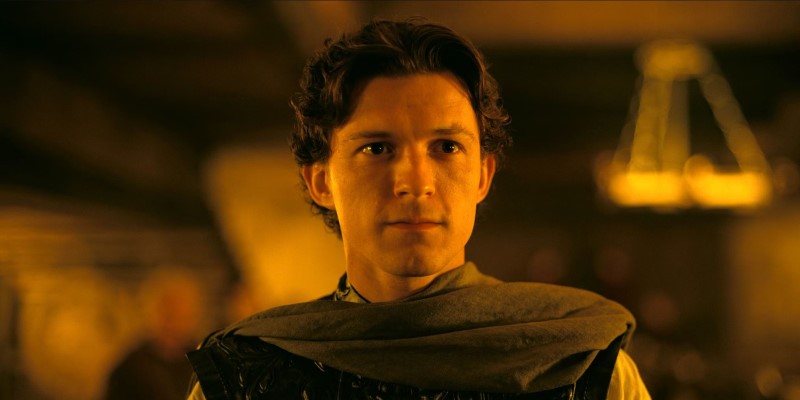
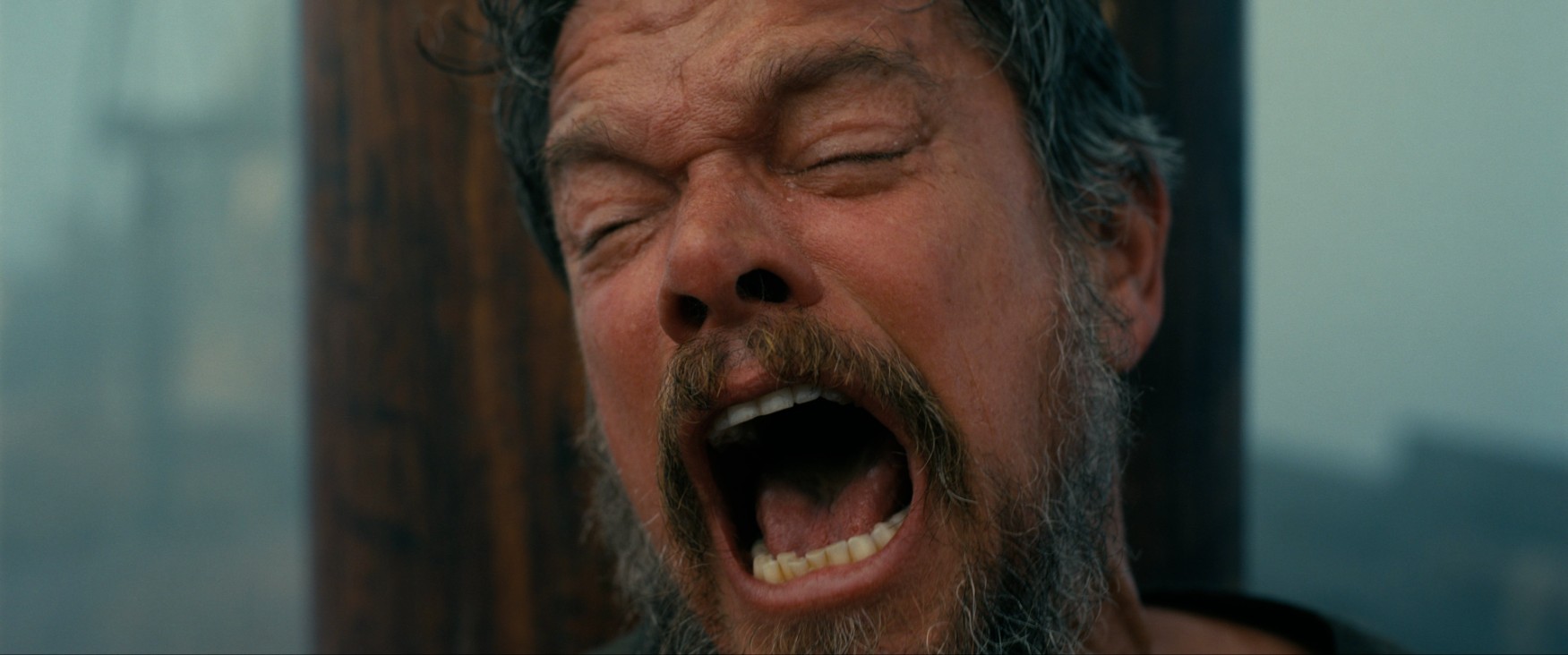
| 2.39:1 (or 2.35:1) | This is the epic, ultra-widescreen “Scope” format. It is most associated with anamorphic lenses. This wide canvas is perfect for sweeping landscapes, large-scale action, and dramatic compositions. |
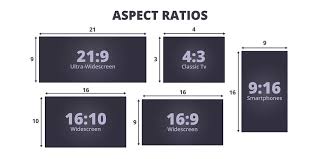
Aspect ratios courtesy of Adobe
A Fundamental Creative Choice
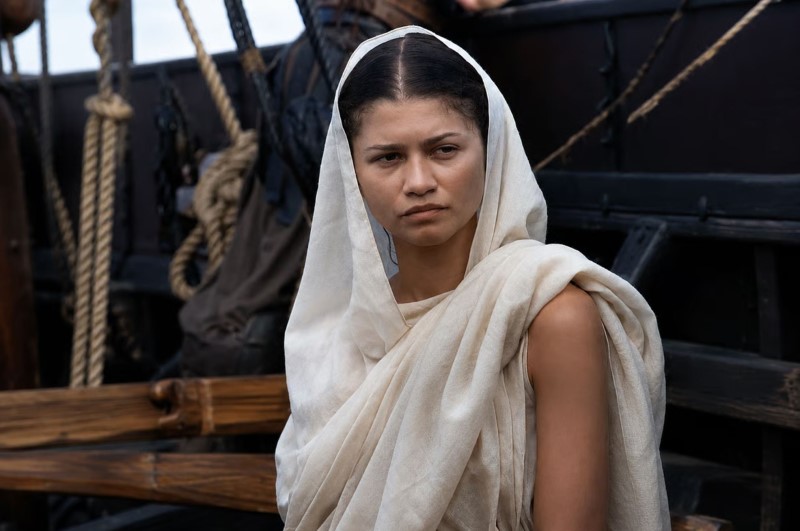
The choice of aspect ratio is a creative one. It has a huge psychological impact. A 4:3 ratio feels more vertical. It is excellent for portraits and can make a single character feel contained or isolated. A 2.39:1 ratio feels horizontal and expansive. It is perfect for epic landscapes or for placing multiple characters within the same frame. The director chooses the frame shape that best serves the story.
Displaying Different Ratios
Modern 16:9 televisions must display these different film ratios. This often requires adding black bars to the top and bottom or sides of the image. This is called letterboxing (for wide films) or pillarboxing (for 4:3 films). Letterboxing is crucial. It preserves the director’s original composition and artistic intent.
« Back to Glossary Index