Cinema Lens Series: Canon L-Series Mark II

Look around any professional film set, and amidst the heavy cinema glass and towering matte boxes, you are almost guaranteed to spot a familiar red ring.
The Canon L-Series Mark II lineup wasn’t originally designed for Hollywood—it was engineered for professional still photographers. But somewhere along the line, this legendary family of glass became the ultimate secret weapon for cinematographers worldwide. From gritty documentaries and indie darlings to blockbuster crash cams and drone rigs, these weather-sealed, bulletproof lenses have earned a permanent place in the motion picture pantheon.
Whether you are relying on the versatile, run-and-gun power of the legendary 24-70mm f/2.8L II zoom, or chasing the buttery, razor-thin depth of field of the 85mm f/1.2L II prime, the Mark II family delivers a distinctly warm, organic, and relentlessly sharp image. They are the ultimate workhorse lenses—delivering cinematic quality at a fraction of the cost of traditional cinema primes.
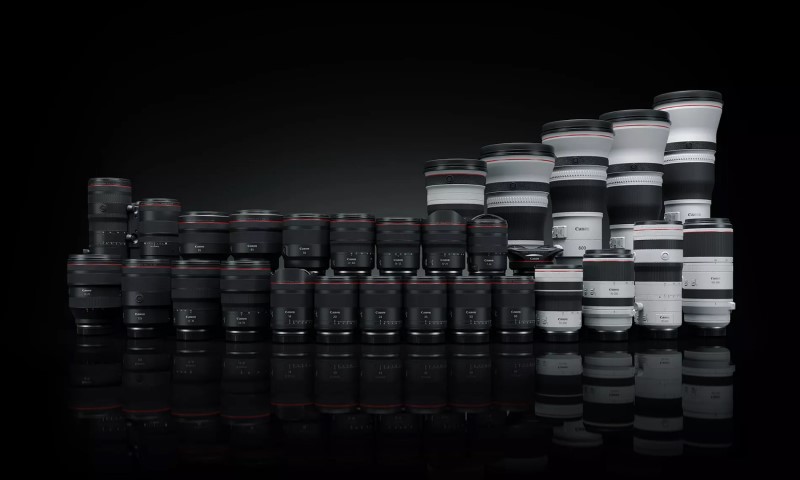
Welcome to the latest installment of our Cinema Lens Series, where we highlight the essential optics that every filmmaker ought to know about. Today, we are breaking down the history, the legacy, and the cinematic impact of the Canon L-Series Mark II family.
What You Will Learn in This Article:
|

THE HISTORY OF THE CANON L-SERIES
What Does the “L” Stand For?
To understand the cinematic legacy of the Mark II generation, we must look at the origin of the “L.” It stands for Luxury.
Canon officially introduced the EF-mount L-Series in 1989. They did not design these lenses for filmmakers. Instead, they built them for combat photojournalists, sideline sports shooters, and wildlife photographers. Canon engineered this glass to survive the harshest environments on Earth. They incorporated rare fluorite elements, ultra-low dispersion glass, and rugged weather sealing.
The iconic red ring around the barrel signaled this uncompromising quality to the world.

Shane Hurlbut, ASC spearheads the ‘DSLR Revolution’ on Act of Valor (2012)
The 5D Mark II Changes Everything
In 2008, the industry shifted forever. Canon released the EOS 5D Mark II.
This was the first DSLR to shoot 1080p Full HD video on a full-frame sensor. Practically overnight, independent filmmakers gained access to razor-thin depth of field and incredible low-light capabilities. Previously, only massive Hollywood budgets could afford these cinematic features.
Filmmakers needed world-class glass to mount on this revolutionary camera. They instinctively reached for the Canon L-Series. As the DSLR revolution exploded, these still-photography lenses became the industry standard for video.
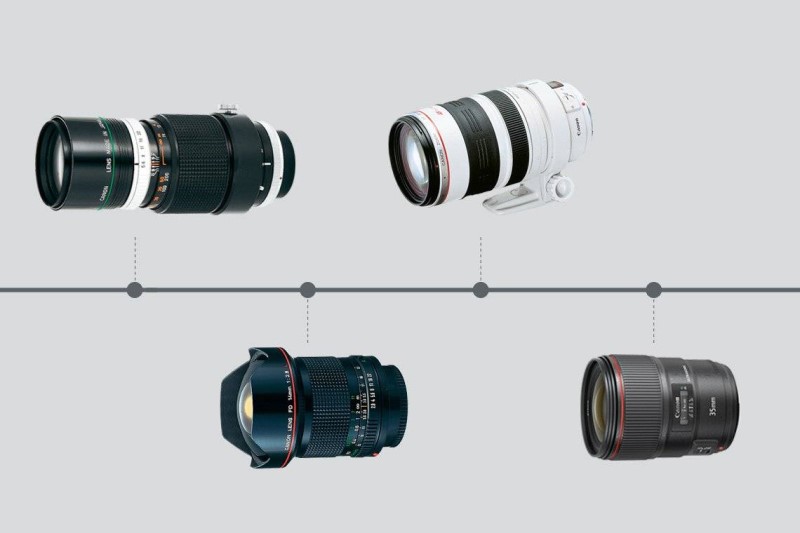
Engineering the Mark II Generation
Digital cinema cameras rapidly evolved from 1080p to 4K, 6K, and eventually 8K resolutions. These modern, high-resolution sensors ruthlessly exposed optical flaws in older lenses, such as chromatic aberration, flaring, and edge softness.
Canon answered the call. They engineered the Mark II generation to resolve the insane detail that modern digital sensors demanded.
Canon completely redesigned the optics. They introduced advanced Subwavelength Structure Coatings (SWC) to eliminate ghosting and flaring. They beefed up the mechanical build and refined the autofocus motors to meet the demands of rigorous production environments.
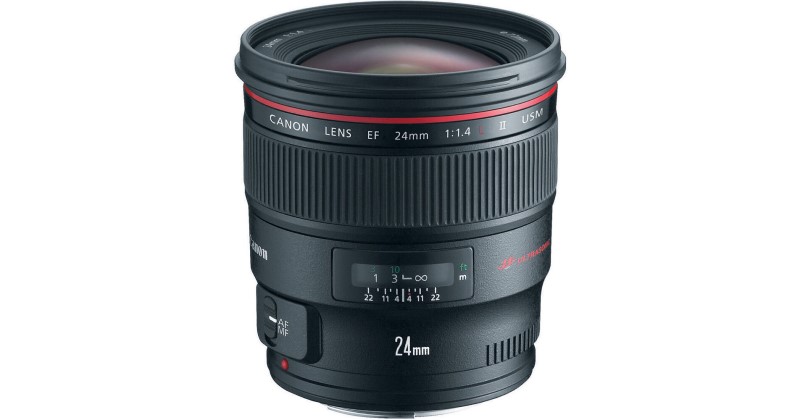
EF 24mm f/1.4L II USM, World’s first lens with SWC
Defining the Modern Digital Look
The resulting glass was nothing short of a masterpiece. The lineup featured legendary zooms like the 24-70mm f/2.8L II and the 70-200mm f/2.8L IS II, alongside breathtaking primes like the 35mm f/1.4L II and 85mm f/1.2L II.
These lenses delivered the sharpness and contrast of high-end cinema glass. Yet, they retained a uniquely organic, pleasing roll-off in the skin tones.
Cinematographers quickly adapted. They started mounting Mark II lenses on RED Epics, ARRI Alexas, and Sony CineAltas via EF mounts. Because the lenses remained lightweight and featured fast autofocus, camera crews deployed them on crash cams, drone rigs, and gimbals where heavy cinema lenses simply could not fit.
The Canon L-Series Mark II did more than survive the transition from stills to motion. It actively defined the look of modern digital cinema.
ACT OF VALOR (2012)
|
When discussing the cinematic impact of the Canon L-Series, you cannot skip Act of Valor. Shane Hurlbut, ASC pushed the DSLR revolution to its absolute limits, shooting nearly 70 percent of this major theatrical release on the 5D Mark II. Hurlbut strapped these lightweight cameras and L-Series lenses to helmets, mounted them on weapons, and deployed them in shallow water housings.

Ajay James in Act of Valor
The compact nature of the glass allowed the camera team to capture visceral, first-person action sequences that massive Hollywood cinema cameras simply could not achieve at the time.
THE AVENGERS (2012)
|
Even massive Marvel blockbusters rely on Canon L-Series glass. While Seamus McGarvey shot the bulk of The Avengers on the ARRI Alexa, he needed a camera system that he could destroy. During the explosive battle sequences in New York City, McGarvey deployed Canon 5D and 7D cameras equipped with L-Series lenses as “crash cams.”
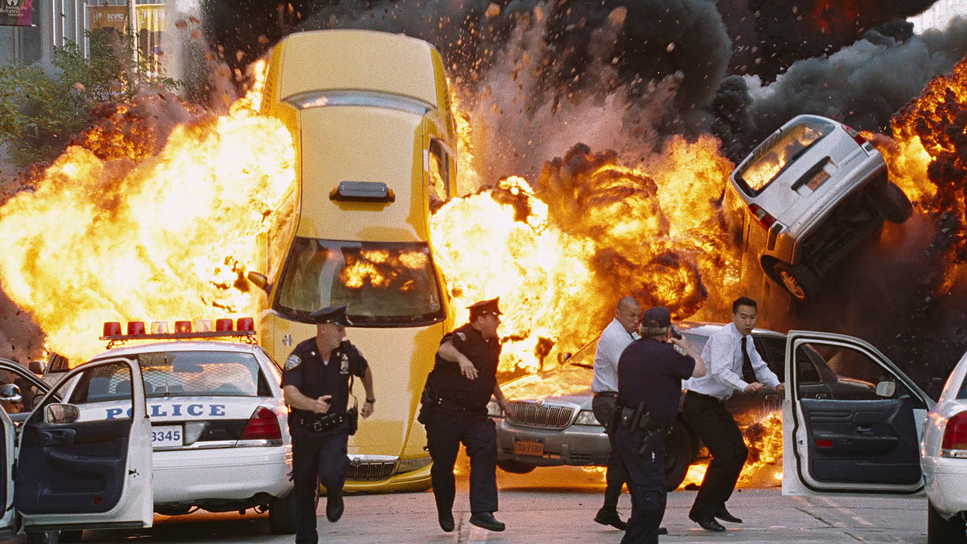
The Avengers
These cameras captured high-impact, chaotic angles that would have been too dangerous to risk with an ARRI Alexa, seamlessly blending the DSLR footage with the high-end cinema glass.
FRANCES HA (2012)
|
To capture the intimate, French New Wave aesthetic of Frances Ha, Sam Levy utilized the Canon 5D Mark II paired almost exclusively with Canon L-Series EF primes and zooms. The production relied heavily on the 50mm prime and the 70-200mm zoom. By choosing consumer-grade still lenses instead of heavy cinema glass, the crew maintained an incredibly small footprint.

Frances Ha
This allowed them to shoot quickly on the streets of New York City, utilizing available light and capturing the raw, spontaneous energy that defines the film.
WE NEED TO TALK ABOUT KEVIN (2011)
|
Seamus McGarvey primarily shot this dark psychological thriller on 35mm film, but he needed a specific tool for intimate flashback sequences. To capture a tight, spontaneous scene of a couple running through a sudden rainstorm, McGarvey grabbed a Canon 5D Mark II paired with an L-Series 50mm lens.
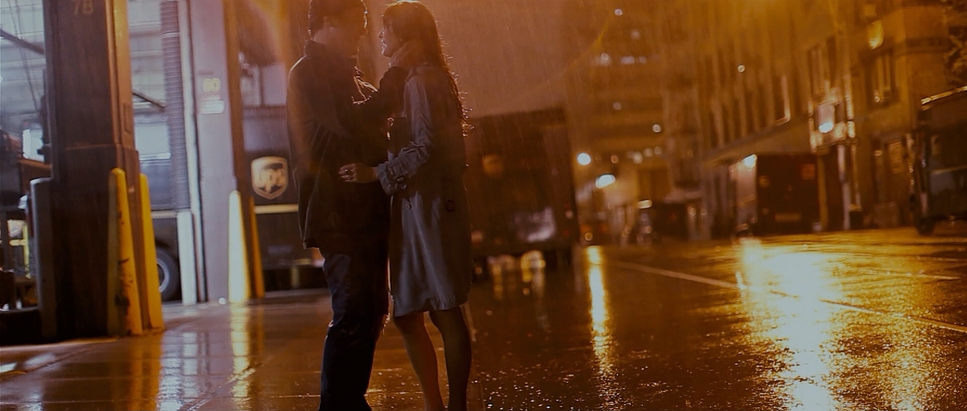
We Need to Talk About Kevin
He shot the scene wide open at T2. The compact DSLR setup allowed him to run backward in front of the actors in the pouring rain, capturing a visceral, low-light moment that a heavy 35mm film rig would have ruined.
MAD MAX: FURY ROAD (2015)
|
Director George Miller demanded chaotic, high-octane action for this apocalyptic masterpiece. While John Seale shot the majority of the film on the ARRI Alexa, the production needed a “semi-disposable” solution for the most dangerous stunts. The camera team deployed Canon 5D Mark II bodies equipped with L-Series lenses as “crash cams.”

Mad Max: Fury Road
They mounted these compact setups directly onto the War Rigs and interceptors. The rugged weather-sealing of the L-Series glass survived the brutal sand, dust, and impact of the Namibian desert, capturing the visceral, first-person carnage that defined the film.
ESCAPE FROM TOMORROW (2013)
|
This surreal indie thriller pulled off one of the most audacious cinematic stunts of the decade: shooting a feature-length film entirely undercover at Walt Disney World. Director Randy Moore and cinematographer Lucas Lee Graham obviously could not bring massive cinema rigs into the theme parks. Instead, they relied exclusively on the Canon 5D Mark II paired with L-Series lenses.

Escape from Tomorrow
The crew stripped the cameras down to look like average tourist gear. The fast apertures of the L-Series glass allowed them to shoot entirely with available sunlight and practical park lighting, capturing a distinctly cinematic look right under the noses of park security.
WATCH THE ULTIMATE 8K LENS TEST: CANON L-SERIES MARK II ZOOMS
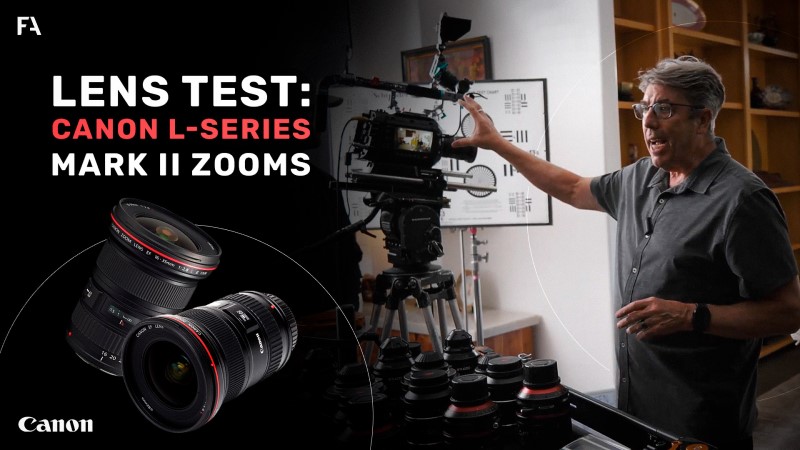
Can the still-photography glass you already own deliver a high-end cinematic image today?
To find out, Shane Hurlbut, ASC put the Canon L-Series Mark II zooms (specifically the 16-35mm and 70-200mm) to the ultimate optical test. We mounted these indie-filmmaking workhorses onto the massive Blackmagic URSA Cine Pro to see how they actually hold up under the brutal scrutiny of a modern 8K sensor.
In this exclusive Filmmakers Academy lesson, you will see firsthand the strengths—and the surprising limitations—of this legendary glass. Shane evaluates the famously warm, “magenta-kissed” skin tones that have made Canon a favorite for decades. He also pushes their modern coatings to the absolute limit to demonstrate their incredible, contrast-saving flare resistance.
What You Will Discover in This Lens Test:
|
Before you call “action” on your next project, you need to understand the distinct optical personality of your glass. Learn exactly when to lean into the strengths of the Canon L-Series, and when its inconsistencies might require you to step up to dedicated cinema glass.
THE BOTTOM LINE:
The Canon L-Series Mark II family proves a powerful point: a lens does not need a massive traditional cinema housing to capture cinematic magic.
Canon originally engineered this glass to survive warzones and sidelines. Yet, these lenses found a permanent home on Hollywood film sets. They give filmmakers the ultimate balance of rugged durability, compact size, and stunning optical quality. From the bombastic action of The Avengers to the indie intimacy of Frances Ha, the Mark II lineup consistently delivers the shot.
What does this mean for modern filmmakers? It means you do not always need a $25,000 cinema prime to tell a compelling story. The Mark II lenses easily resolve the insane detail required by modern 8K sensors. More importantly, they maintain the organic, human feel and pleasing skin-tone roll-off that digital sensors often lack. They democratized high-end cinematography, proving that accessibility and professional quality can coexist.
This article is part of our ongoing Cinema Lens Series, where we break down the most impactful optics in the filmmaking industry. The red ring of the Canon L-Series Mark II has undoubtedly earned its place in cinematic history.
JOIN FILMMAKERS ACADEMY AND SAVE $50!
Ready to take your filmmaking skills to the next level? Join the Filmmakers Academy community and gain access to exclusive content, expert mentorship, and a network of passionate filmmakers. Use code FABLOG50 to save $50 on your annual membership!