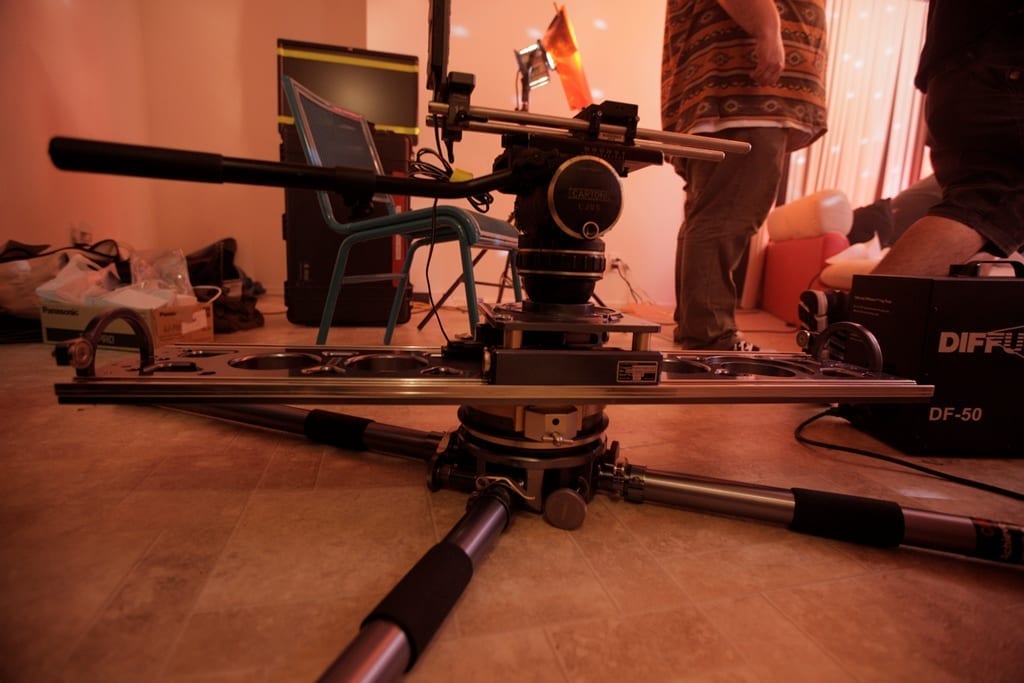
As a cinematographer, movement is an integral part of conveying your creative vision and the storytelling process. Whether subtle or dramatic, it’s another tool in your box of creative options. The Elite Team and I tested a revolutionary kind of camera slider for slight camera movement: the Cineped with Quatro camera support. The Cineped is a full 360° rotatable slider with a carrying capacity of 95 lbs that can mount Mitchell or ball mount tripod heads on top of it.
It is sturdy, versatile, and portable and can be mounted on top of a set of Mitchell sticks, on a Fisher dolly, or on the Quatro 4 legged camera support system. We have been testing the Cineped with the Quatro support. Even with a large camera system, it produced smooth movement.
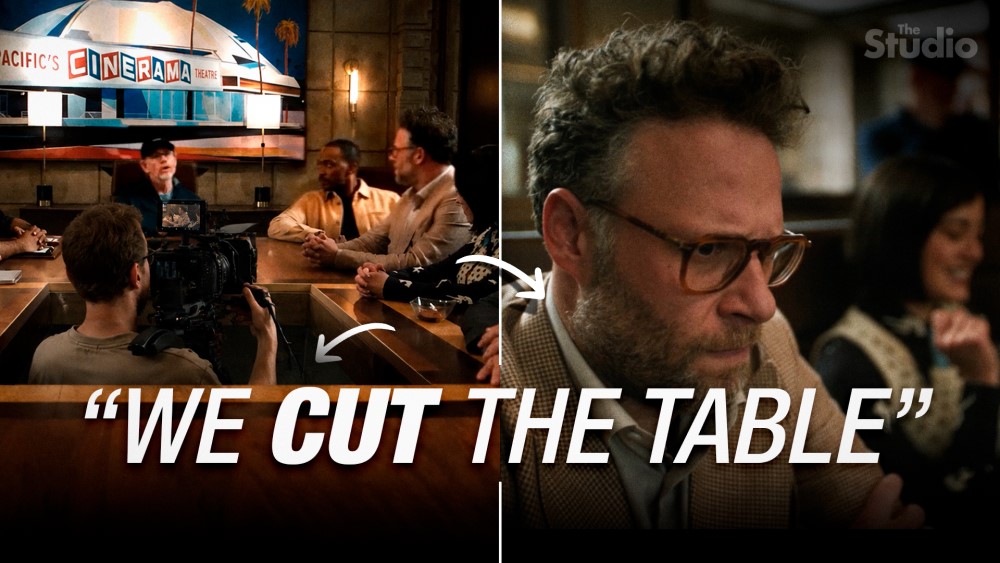
Something that I have incorporated on my last few features is to use the slider on the dolly at all times. It gives you this wonderful movement within moves and more of a liquid camera feel than a locked in dolly in or dolly out. The other option that the Quatro does on the dolly or on the Cineped is to increase freedom on over the shoulder shots. The ability to slide over when the actor or actress leans in or back allows you to keep a consistent OTS. For me, this is huge because you are using a tool to gain a better performance and not have to go another take because of the actor blocking a crucial line of dialogue.

The Cineped and Quatro camera support
The Cineped with the Quatro is a four legged camera support with adjustable heights and a rosette to lock in at different angles. Therefore, each leg can have a different height and angle, which allows you to place it on uneven surfaces and rough terrain. It can setup high or low depending on at which height you want to shoot.

Rosette locks on the Quatro

The Cineped on different terrains. From cineped.com.

Using the Cineped in low mode
The Cineped with the Quatro is a combination of a tripod and a slider that produces a new type of camera movement. One person can operate the camera and do a left to right movement, then unlock the Cineped and quickly switch to a front to back movement or a combination of the two. This allows for a smaller crew and the ability to change camera movement on the fly without the need for multiple setups.
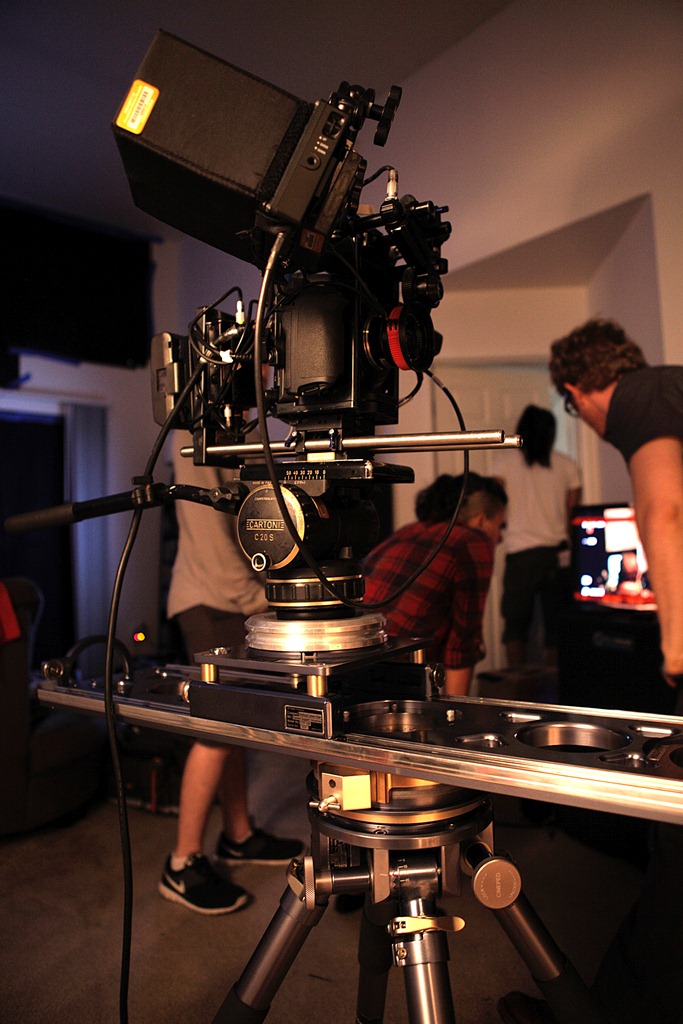
Using the Cineped with the Canon C300
Here is an example video using the Cineped and Kessler CineSlider to keep a dirty OTS framing. This allows your talent to shift their weight and keep organic movement in conversation. It’s a subtle movement and lets the actors maintain a more natural posture and stance. A Cineped and Kessler CineSlider were used for this example to show the technique with sliders at different price points.

Baby pin screwed into bottom of the CineSlider

Mounting the CineSlider on two C-Stands
For more information go to: www.cineped.com
Thanks to Bertone Visuals for supplying the Cineped unit for testing: www.bertonevisuals.com
To rent the Cineped, contact Revolution Cinema Rentals: www.revolutioncinemarentals.com
Thanks to Dominic Best and Amanda Scruggs for being our models for the example video!
*The example footage was shot by my cinematography interns. They were instructed to give me an OTS with what we called back in the day an over keeper. The slider was specifically designed not to move time lapse, not to do small moves, but to keep an OTS shot consistent. After viewing what they cut together, I instructed them that they had crossed the line, that a dirty OTS was much tighter, that they had moved too much. The moment needed to feel like you weren’t sliding at all. I let them make mistakes because this is the best way to learn. I wish someone would have taken me aside and given me this opportunity when I was starting out. I have used a slider on 16 of my 17 feature films, being obsessed with the subtle nuances of the actors’ movements, anticipating them.