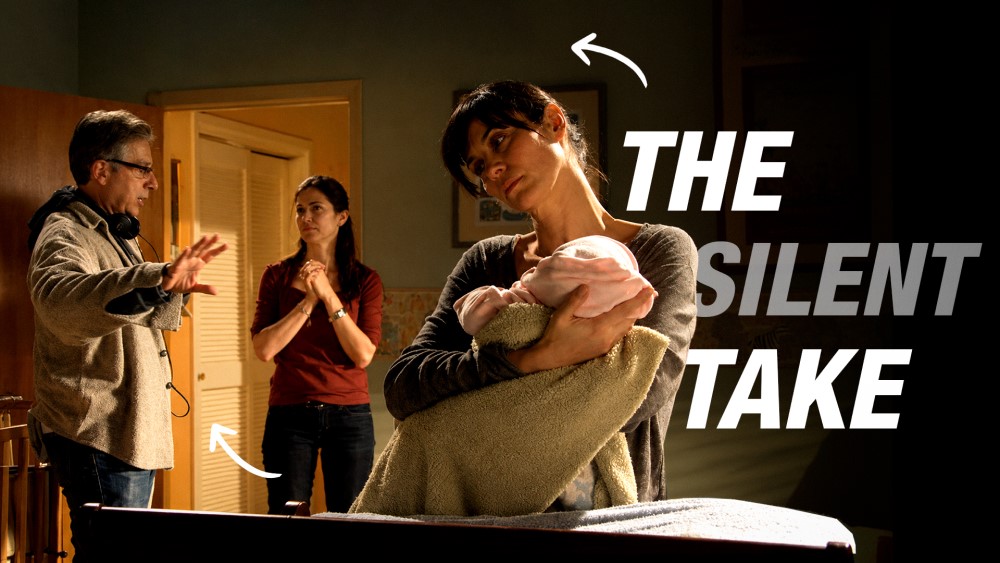
Cinematography is heavily romanticized. We obsess over the perfect glass, the exact color temperature, and the camera body. But the actual job? It is about managing people, surviving impossible budget constraints, and pulling a cinematic image out of a location you absolutely hate.
Academy Award-nominee Larry Sher, ASC (Joker, The Hangover, Due Date) is a master at navigating this chaos without compromising the final image. In a recent Filmmakers Academy session, Sher sat down to strip away the glamour and talk about the actual reality of working at the highest levels of the industry.
Here is how Sher navigates the politics, the lighting, and the grind of modern filmmaking.
The Ten-Year Grind
Sher didn’t walk onto a set and immediately start shooting massive studio features. When he moved to Los Angeles in 1992, he took any entry-level job he could find—working as a PA, a runner, whatever got him in the room.
That is where he met guys like Shane Hurlbut, ASC, Gary Hatfield, Max Malkin, and Jeff Cutter. Those early relationships became the foundation that carried his entire career. It took Sher ten full years of grinding before he finally found a feature to shoot. The secret to surviving in this industry isn’t just raw talent. It is pure perseverance. You have to outlast the downtime and keep making things with the people around you.
The “Gun to My Head” Location Strategy
Every DP wants a perfectly controlled stage, but Sher prefers to be a reactionary cinematographer. When he walks into a location, he relies on a brutally honest metric: if a space takes a terrible picture on your iPhone during the scout, it is going to look terrible on camera.
But you don’t always get a say in where you shoot. When forced into a corner with a bad location, Sher plays a mental game. He asks himself:
“Gun to my head, we have to shoot here tomorrow. How will we make this work?”
He forces himself to figure out exactly where to lean into the location’s strengths and how to bury its deficits in shadow. You have to figure out a plan before you reject a space, so you are bringing a solution to the director instead of just complaining about the problem.
And when a location is actually worth the fight? You fight. On Due Date, the plan was to shoot a pivotal Grand Canyon scene on a green screen in an Albuquerque parking lot to save cash. Sher knew it would look awful. He convinced the producer to scout the actual canyon and run the numbers. It cost an extra $50,000, but they shot it practically, and it became one of Sher’s favorite scenes in the film. You have to know when to advocate for the image.
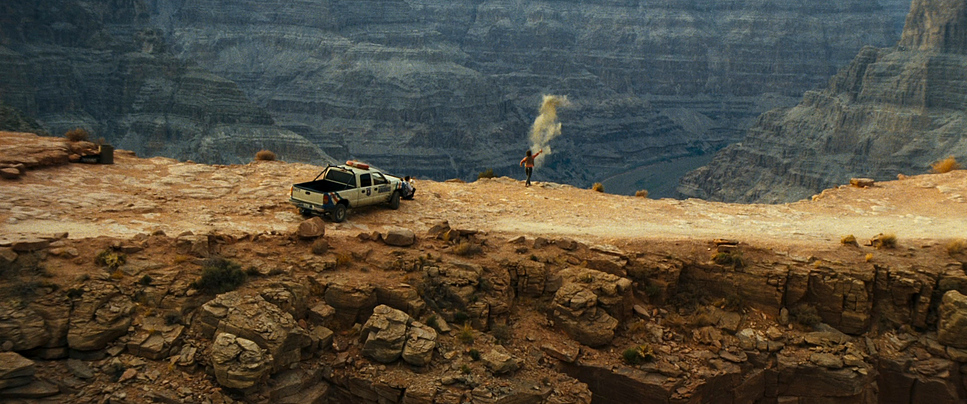
Due Date (2010)
The Budget Lie
Here is the ultimate reality check: the money problems never go away. You think you are strapped on a $10 million indie? Sher faces the exact same walls on $200 million studio tentpoles.
The difference between the filmmakers who keep getting hired and the ones who don’t is how they handle that limitation. Directors and producers do not want department heads who act like victims. They want diplomats. You have to negotiate. You will barter, you will win some, and you will lose a lot. When you lose a battle over a piece of gear or a location, you have to keep a smile on your face, pivot, and save your political capital for the next fight.
Light the Space, Not the Face
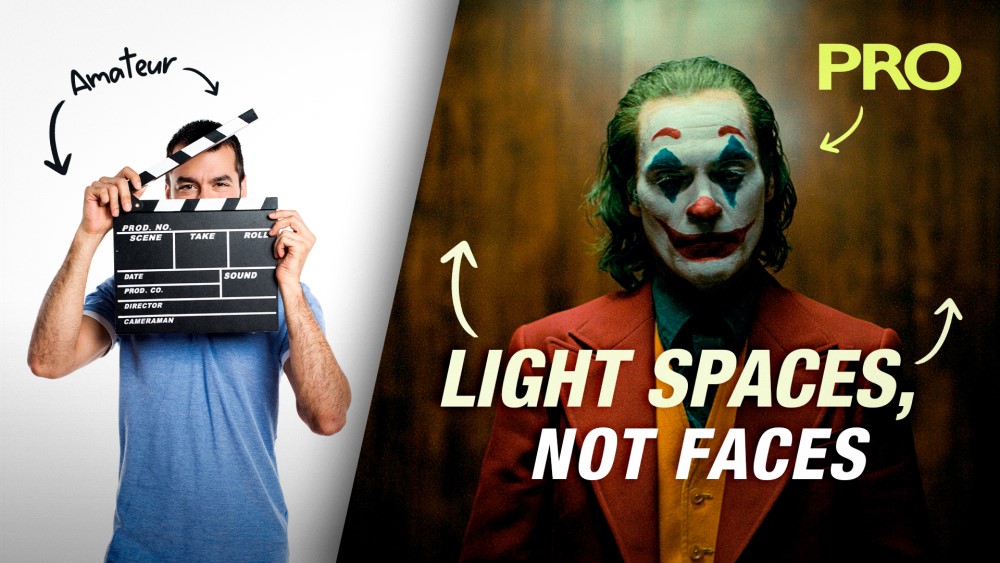
When you finally get to set, your lighting strategy dictates the speed of the entire day. Sher’s philosophy, which he carried from indie films all the way through Joker and big-budget sci-fi, is simple: light the space, not the face.
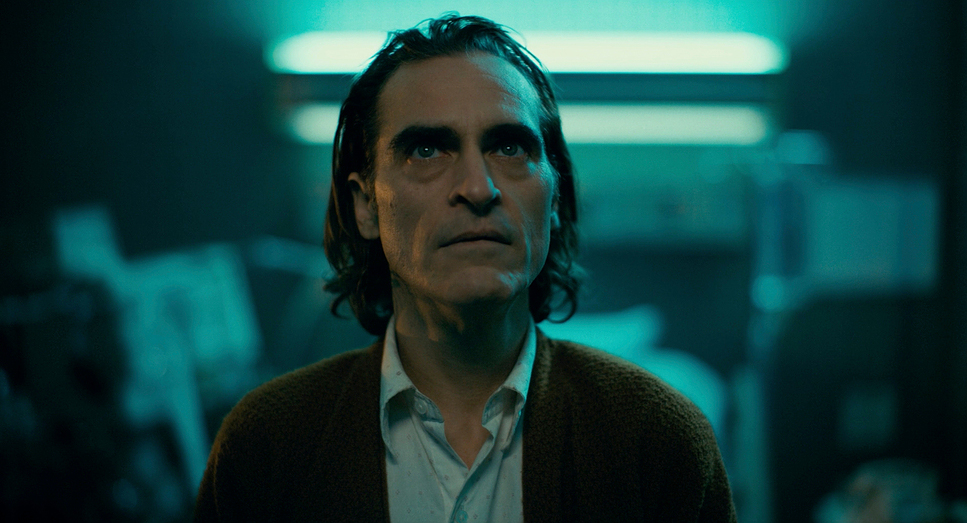
Joker (2019)
He treats the environment as a 360-degree, fully flexible world. By baking the lighting into the master shot—relying on heavy practicals, window pushes, and motivated sources—the room feels inherently alive. When it is time to punch in for a close-up, he isn’t starting from scratch or meticulously relighting the entire scene.
This does more than just save time. It gives the actors total freedom to move, react, and inhabit the space without being chained to a rigid mark. It allows the director to move fast and keep the emotional momentum of the scene alive.
Remember: you are not just there to make a pretty frame. Most cinematographers can do that. You are there to FACILITATE the STORY.
JOIN FILMMAKERS ACADEMY AND SAVE $50!
Ready to take your filmmaking skills to the next level? Join the Filmmakers Academy community and gain access to exclusive content, expert mentorship, and a network of passionate filmmakers. Use code FABLOG50 to save $50 on your Annual membership!