Movies are message delivery systems designed to impact people on a mass scale. If you do not understand the underlying purpose of why you are taking massive risks to be a filmmaker, the pursuit of fame or money will not sustain you.
Veteran director Rob Spera understands this psychological grind better than anyone. In a deeply insightful conversation with Shane Hurlbut, ASC, Spera broke down the mechanics of building a sustainable directing career, the politics of stepping onto an episodic television set, and a brilliant rehearsal technique known as the “silent take.”
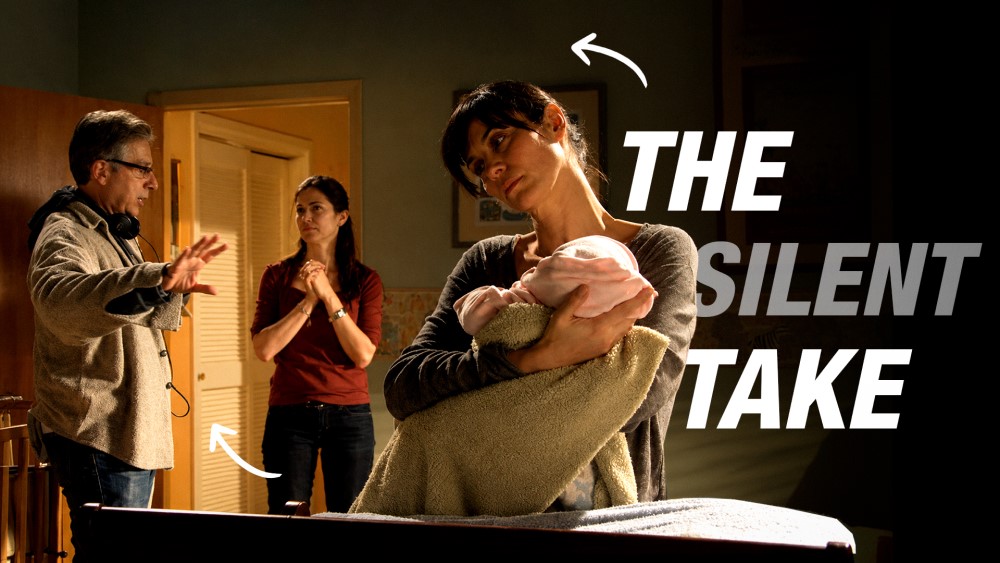
The Ultimate Visual Litmus Test: The Silent Take
Dialogue can easily trick a director into thinking a scene is working. To combat this, Spera utilizes the “silent take.”
During a master shot rehearsal, Spera asks the actors to perform the entire scene’s blocking and actions without speaking a single word of dialogue. This technique serves two vital functions on set:
For the Actors:
It removes the pressure of remembering lines and forces them to root their performance entirely in physical actions, behavior, and subtext.
For the Director:
It is an immediate visual litmus test. If you watch the scene play out in silence and you are not intrigued, it means you have not solved the scene visually. It reveals missing props or blocking elements that should be driving the visual story.
At its best, dialogue should play counterpoint to what is happening visually. If the scene relies entirely on people just talking at each other, the silent take will expose it immediately.
Leading an Episodic Set
Directing television requires an entirely different political approach than directing a feature film. Episodic directors enter established environments as hired guns, often stepping onto a set where the crew and cast have been working together for years.
To build trust, Spera deliberately waits two to three days before giving any notes to the series stars. He gives them time to see how he operates. However, when guest stars are on set, he makes a point to give them directing notes directly in front of the series leads. This establishes the quality of his vision and proves to the core cast that he is a competent collaborator, allowing the stars to eventually come to him with their own ideas.
Drop the Auteur Ego
The idea that a single director is the sole author of a film is an insult to the 150 filmmakers working 12 to 16 hours a day to build the project.
Spera advocates for intense preparation, but stresses that a director must let that rigid control go once they step onto the real set with real people. He actively encourages saying “yes” to unfamiliar ideas, particularly from the Director of Photography. If a collaborator pitches an idea, Spera is inclined to accept it before they even finish speaking, knowing that experimentation can reveal unexpected magic and that mistakes are almost always recoverable.
Creating Your Own Opportunities
Directors cannot sit back and wait for the industry to act on them. A portion of your day must be spent writing, and another portion must be spent actively reaching out to create opportunities.
Spera gives his students an ongoing assignment:
Make three new cold calls to industry professionals every single week.
The secret to these calls is pure honesty. He recounted a story of an AFI graduate who called a top-tier producer and simply admitted that he was a student on an assignment and had no idea what questions to ask. That vulnerable honesty resulted in a two-hour conversation, an introduction to a highly successful director, and a lifelong mentorship.
Master Your Craft: The Directing Career Path

You do not have to navigate the politics of set etiquette, visual blocking, or commercial pitching blindly.
Filmmakers Academy has curated the Directing Career Path. It’s a comprehensive roadmap designed by Shane Hurlbut, ASC to guide you through both narrative and commercial directing.
Are you prepping your first spec commercial or blocking a multi-camera action sequence? Then, this pathway provides the exact blueprints used by working industry professionals.
Start the Directing Career Path Today
JOIN FILMMAKERS ACADEMY AND SAVE $50!
Ready to take your filmmaking skills to the next level? Join the Filmmakers Academy community and gain access to exclusive content, expert mentorship, and a network of passionate filmmakers. Use code FABLOG50 to save $50 on your Annual membership!